Nebulae
The Tadpoles Nebula IC410
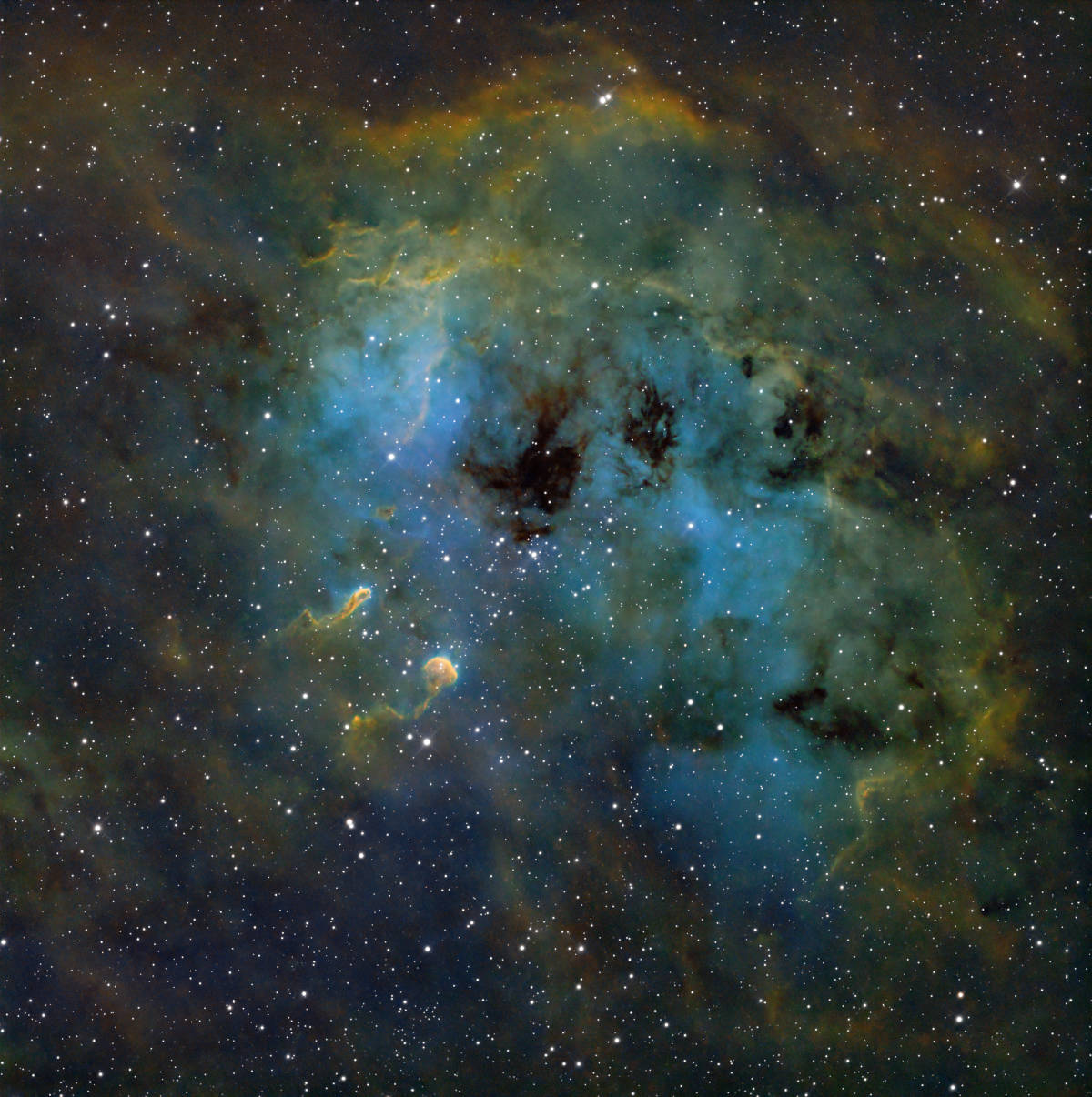
Constellation: Auriga
The size of the Tadpoles is immense. Each measures in the region of ten light-years in length. They are still young at 4 million years old, lying at a distance of 12,000 light-years from Earth.
More information here
The Jellyfish Nebula IC443
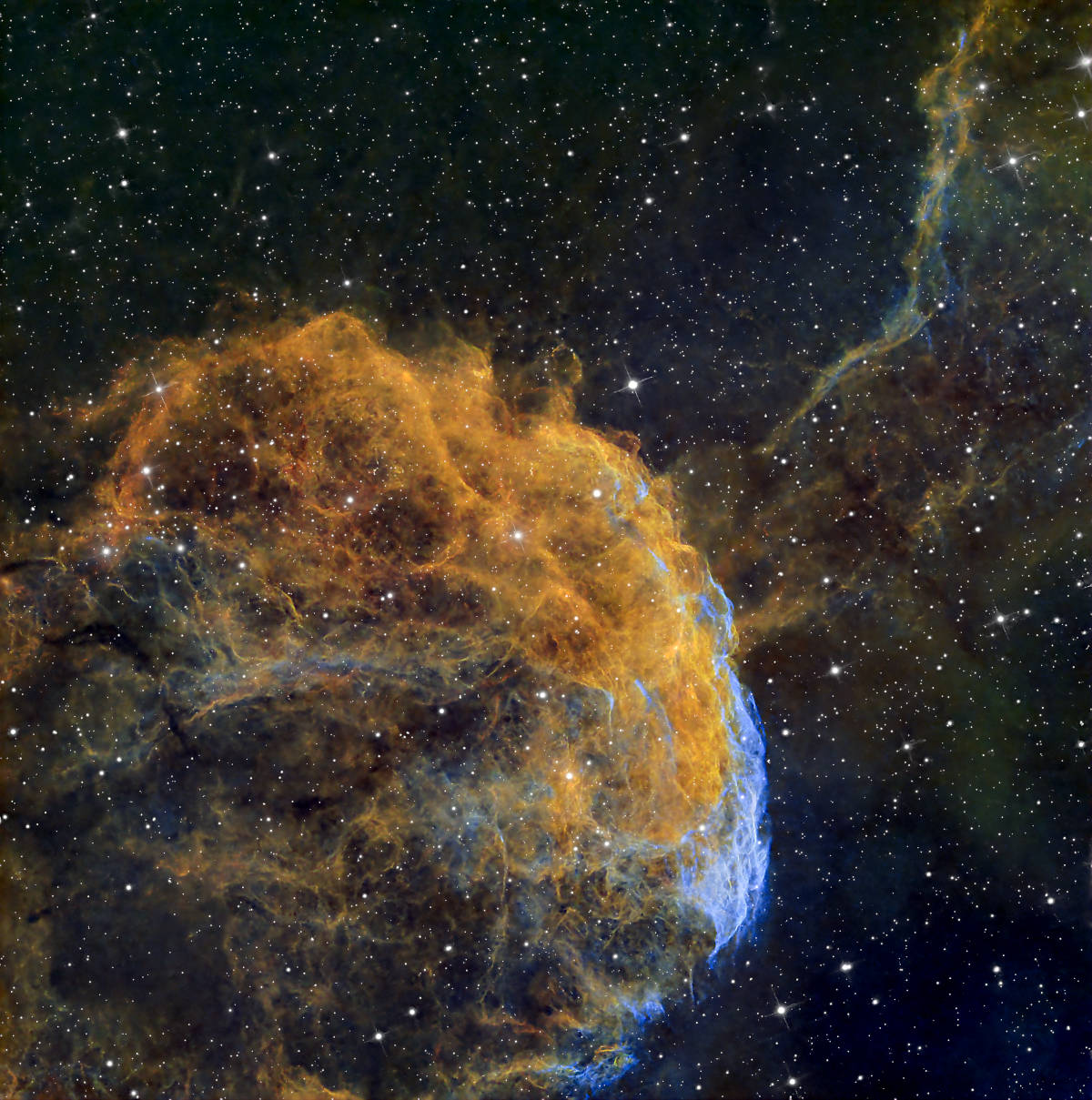
Constellation: Gemini
This image shows only part of the nebula, a supernova remnant 5,000 light-years away.
More information here
The Cone Nebula
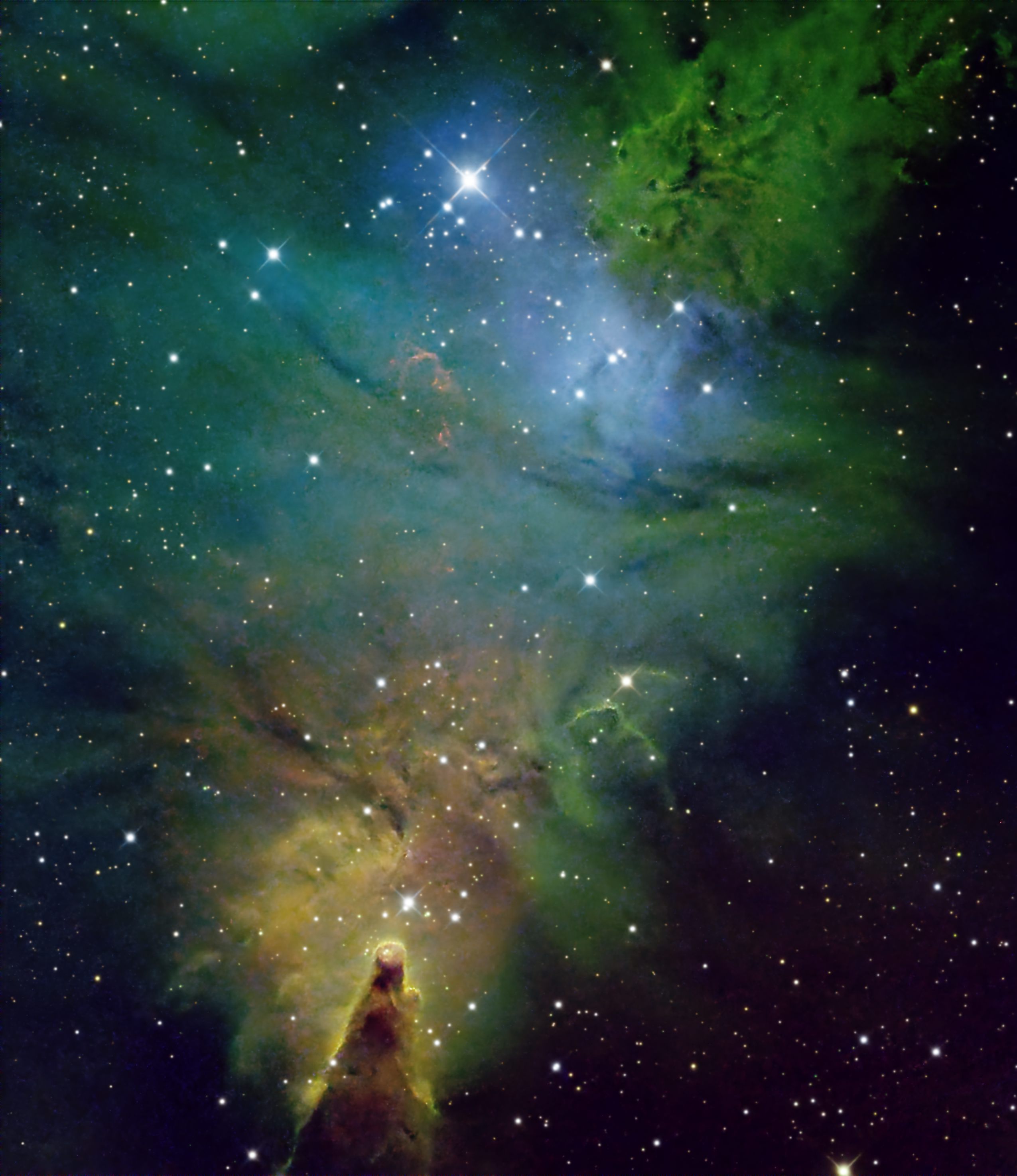
Constellation: Monoceros
The Cone forms part of the larger Christma Tree Cluster NGC2264. it lies at a distance of 2,700 light-years.
More information here
The Bubble Nebula NGC7635
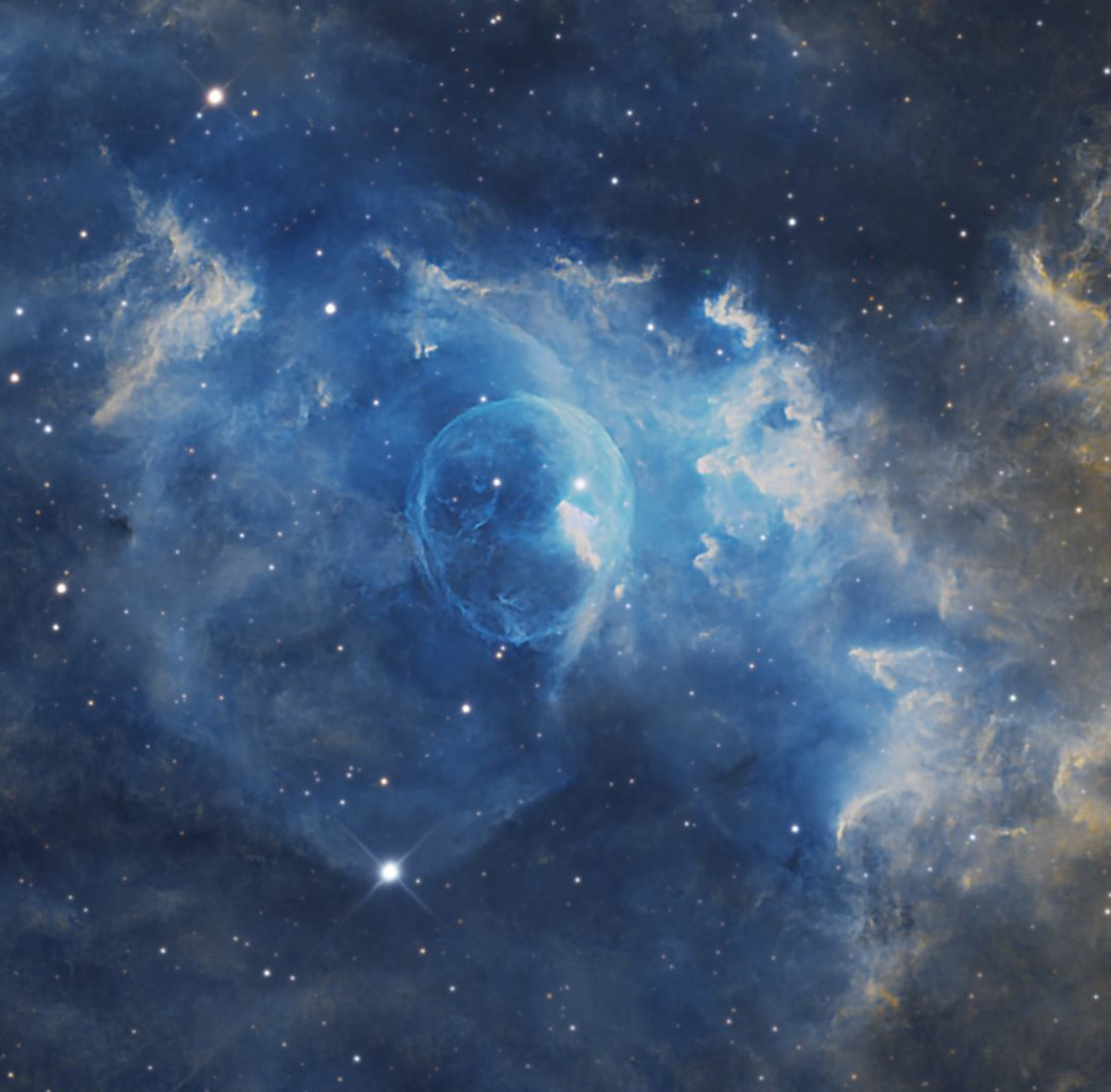
Constellation: Cassiopeia
Distance 7,100 light-years. What looks like a bubble is created by hot stellar winds from the central star (in this case not central but offset to the right in the image).
More information here
The Fossil Footprint Nebula NGC1491
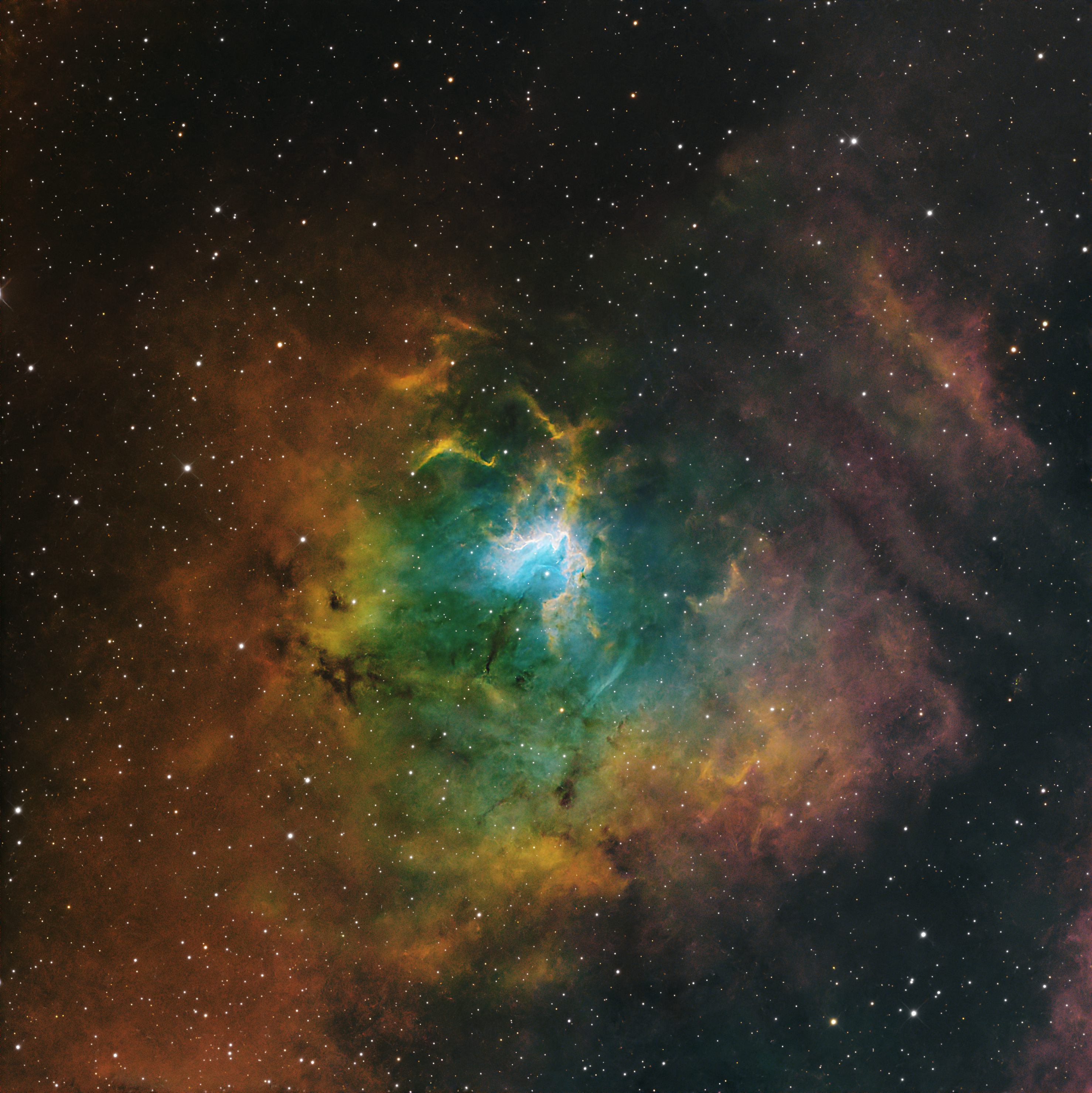
Constellation: Perseus
A bright emission nebula located at a distance of 9,800 light years.
More information here
The Iris Nebula NGC7023
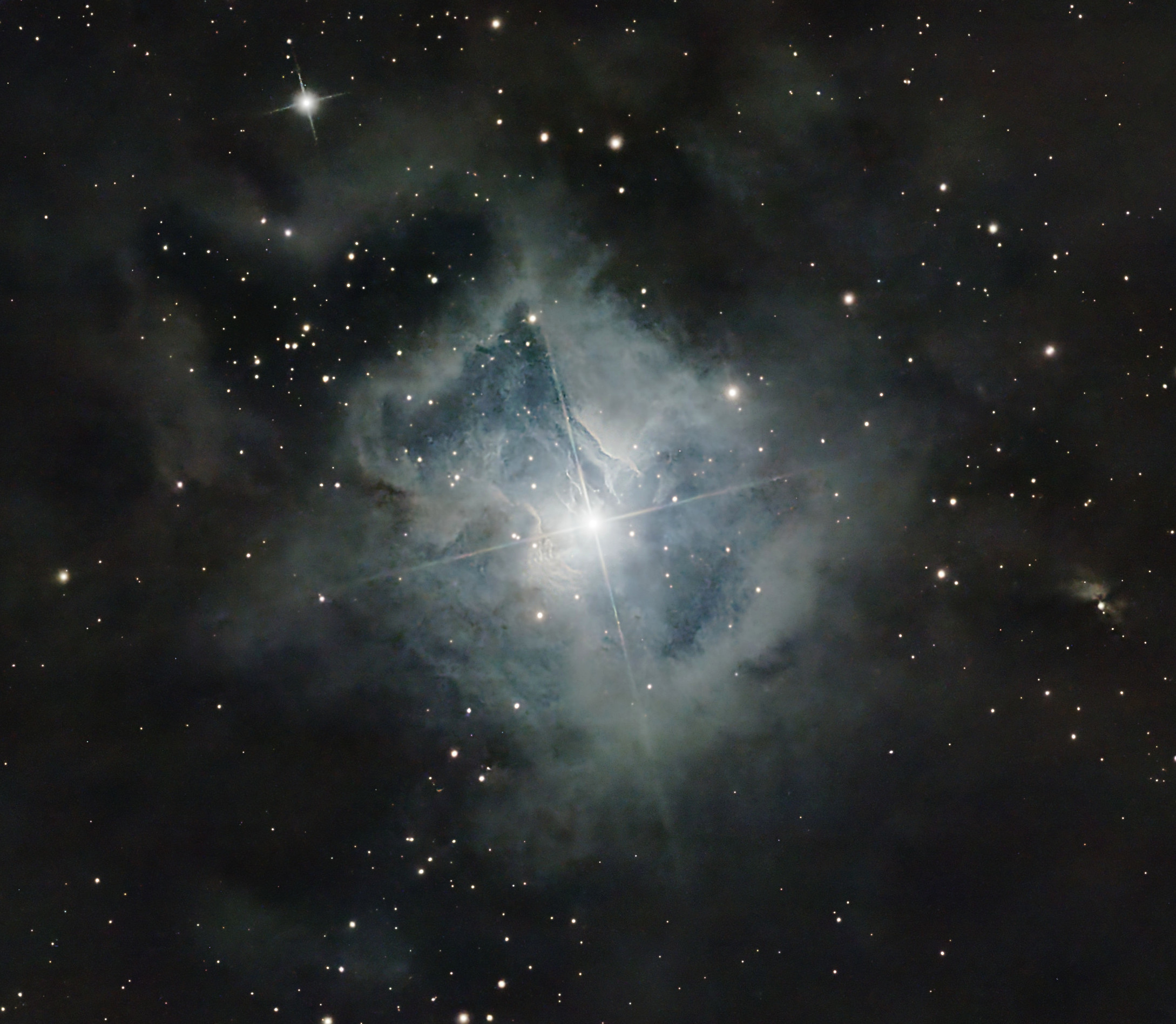
Constellation: Cepheus
At a reletively close distance of 1,700 light-years, this beautiful reflection nebula shows well the large clouds of interstellar dust near the central star.
More information here
The Cygnus Wall in NGC7000
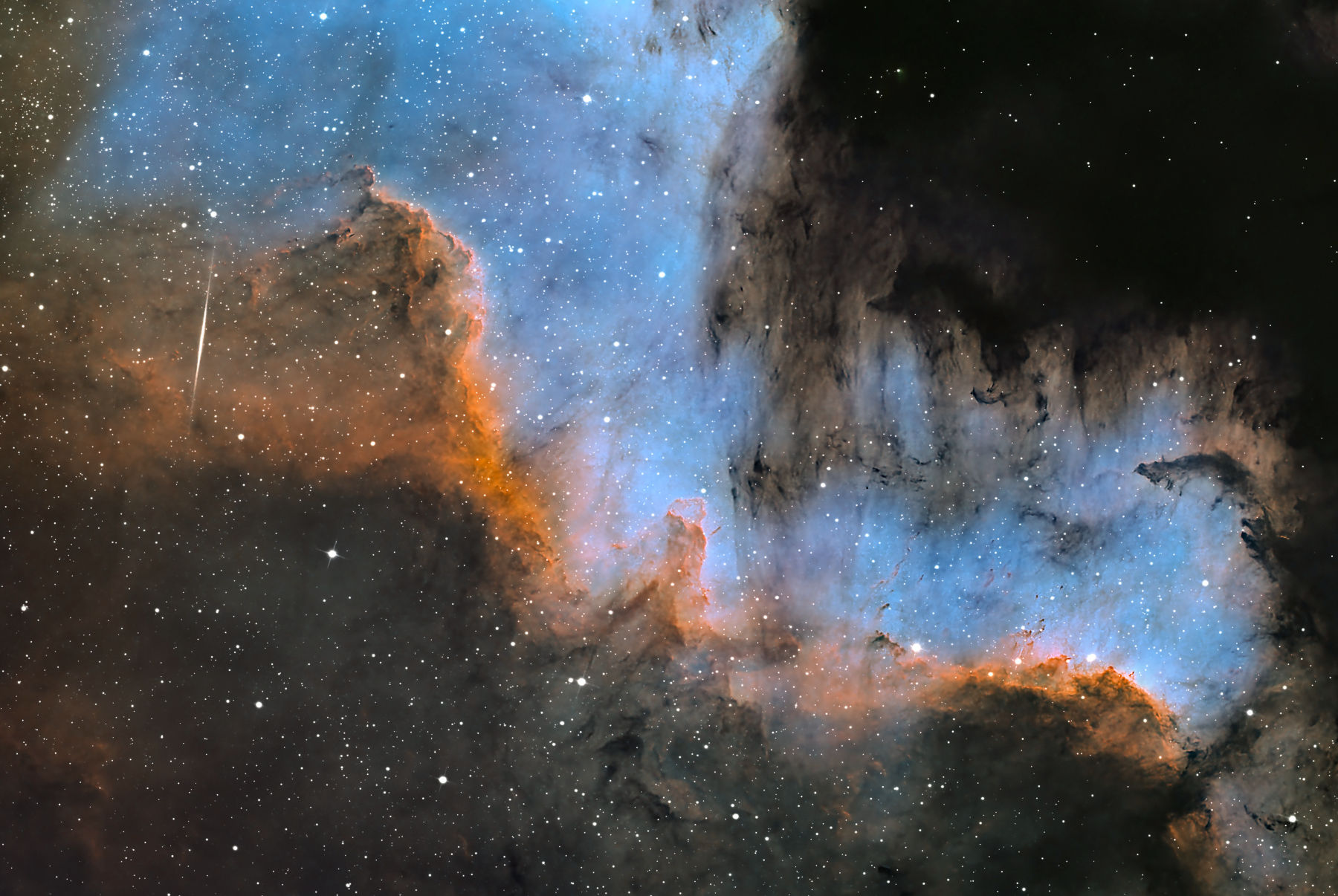
Constellation: Cygnus
What is known as the Cygnus Wall is part of the North America Nebula NGC7000. On this particular night a meteor was seen streaking across its face.
More information here
The Elephant's Trunk Nebula IC1396
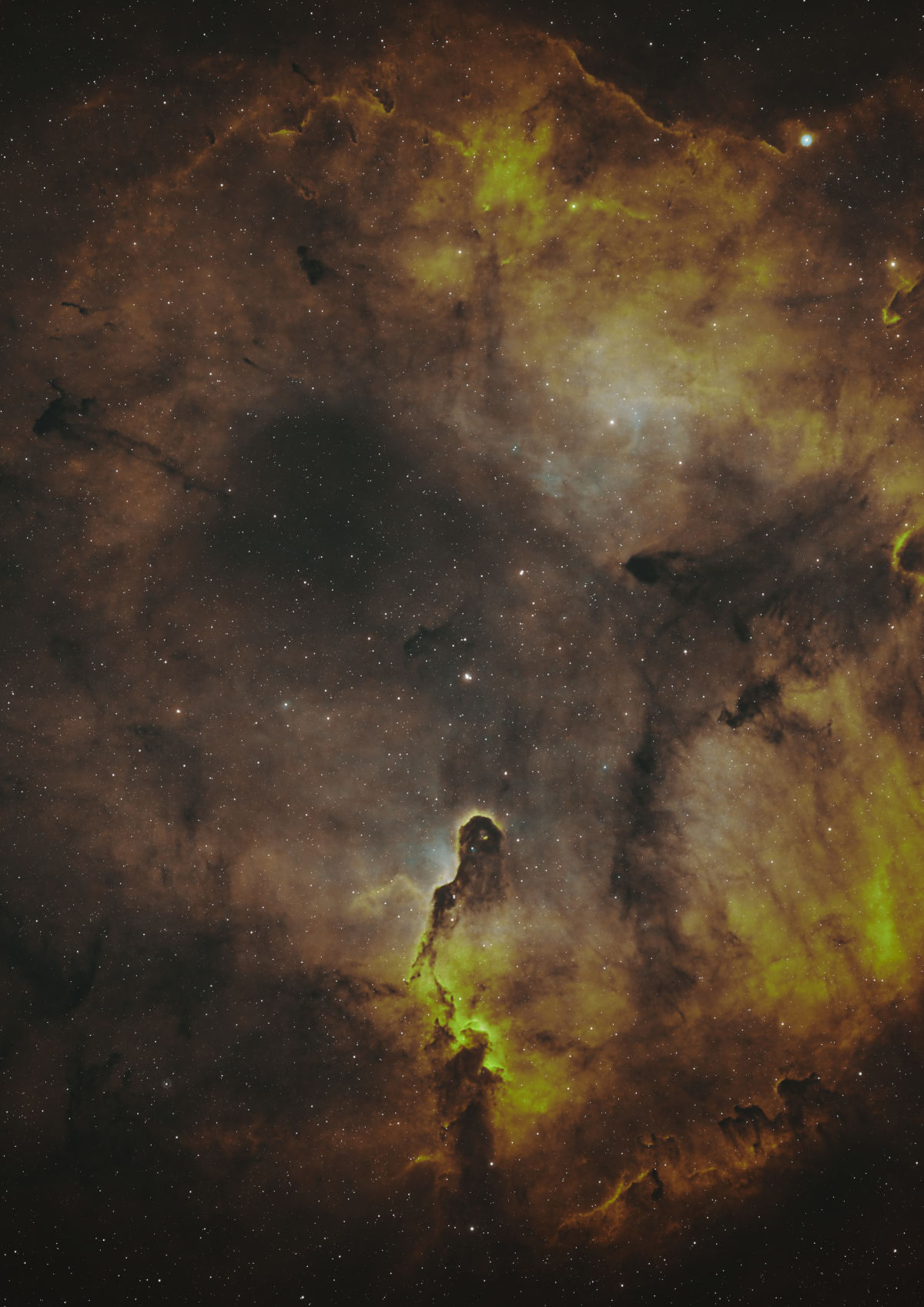
Constellation: Cepheus
A stunning emission nebula 3000 light-years away. Here processed using the Foraxx palette. The "trunk" extends for 20 light-years.
More information here
The Ghost of Cassiopeia IC63
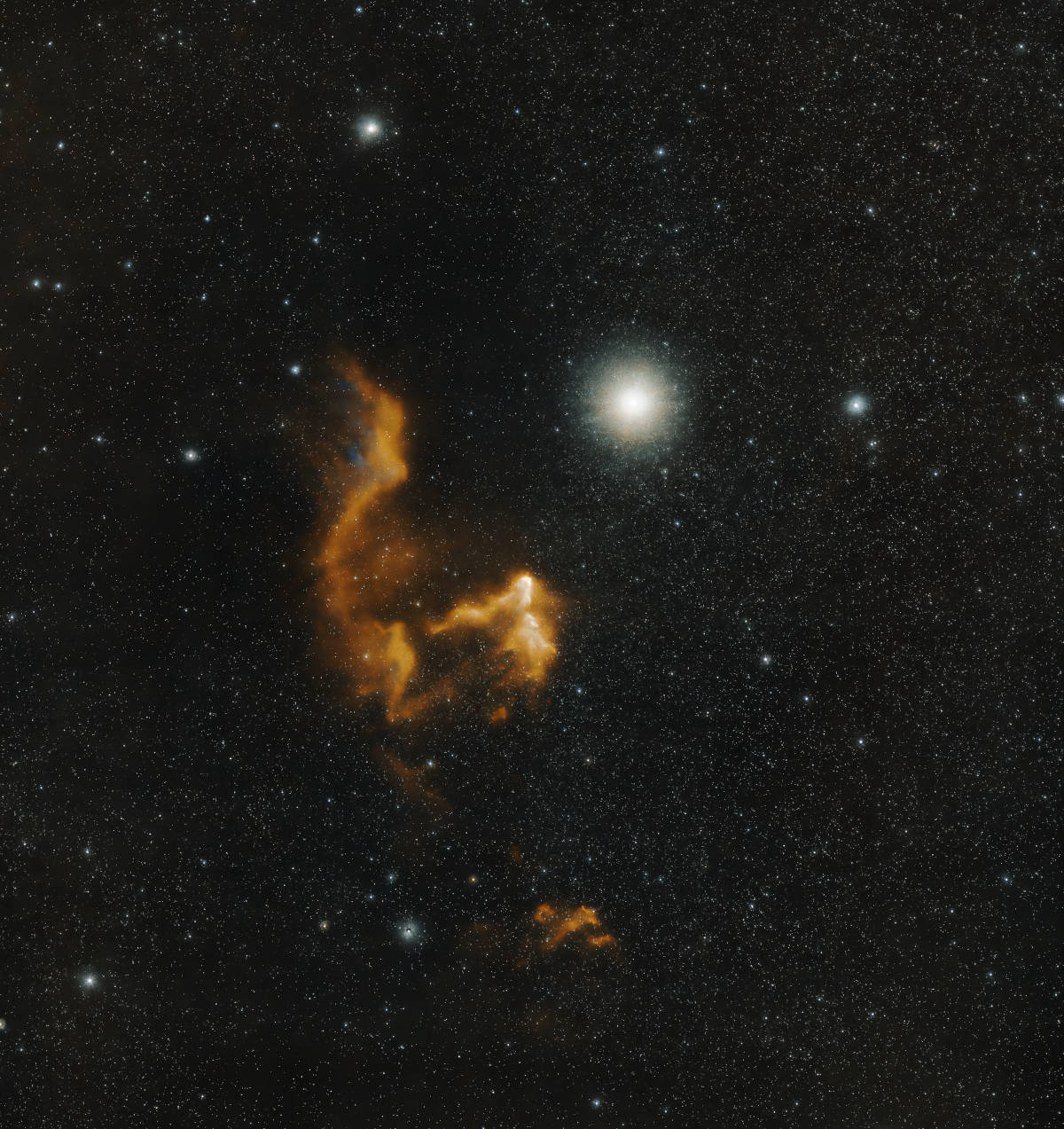
Constellation: Cassiopeia
The Ghost is an eerie reflection nebula illuminted by the star Navi in the large W shape of the constellation Cassiopeia.
More information here
The Western Veil Nebula NGC6960
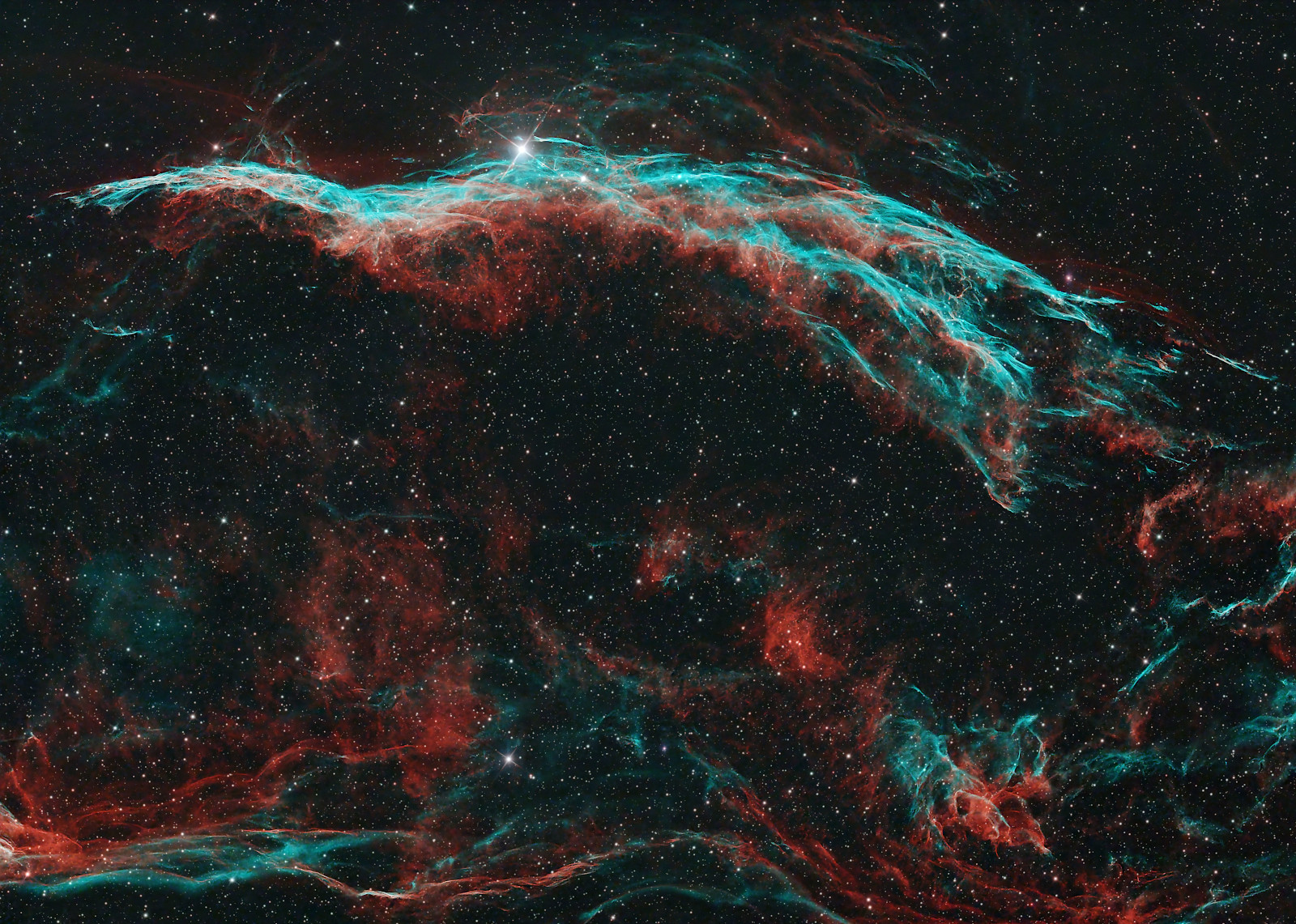
Constellation: Cygnus
The Western Veil is part of the wider Cygnus loop lying at around 1,470 light-years, It is a supernova remnant of huge dimensions in the northern summer sky. The explosion is thought to have occured between 10,000 and 20,000 years ago. The bright star is 52 Cygni.
More information here
Galaxies
Bode's Galaxy (M81)
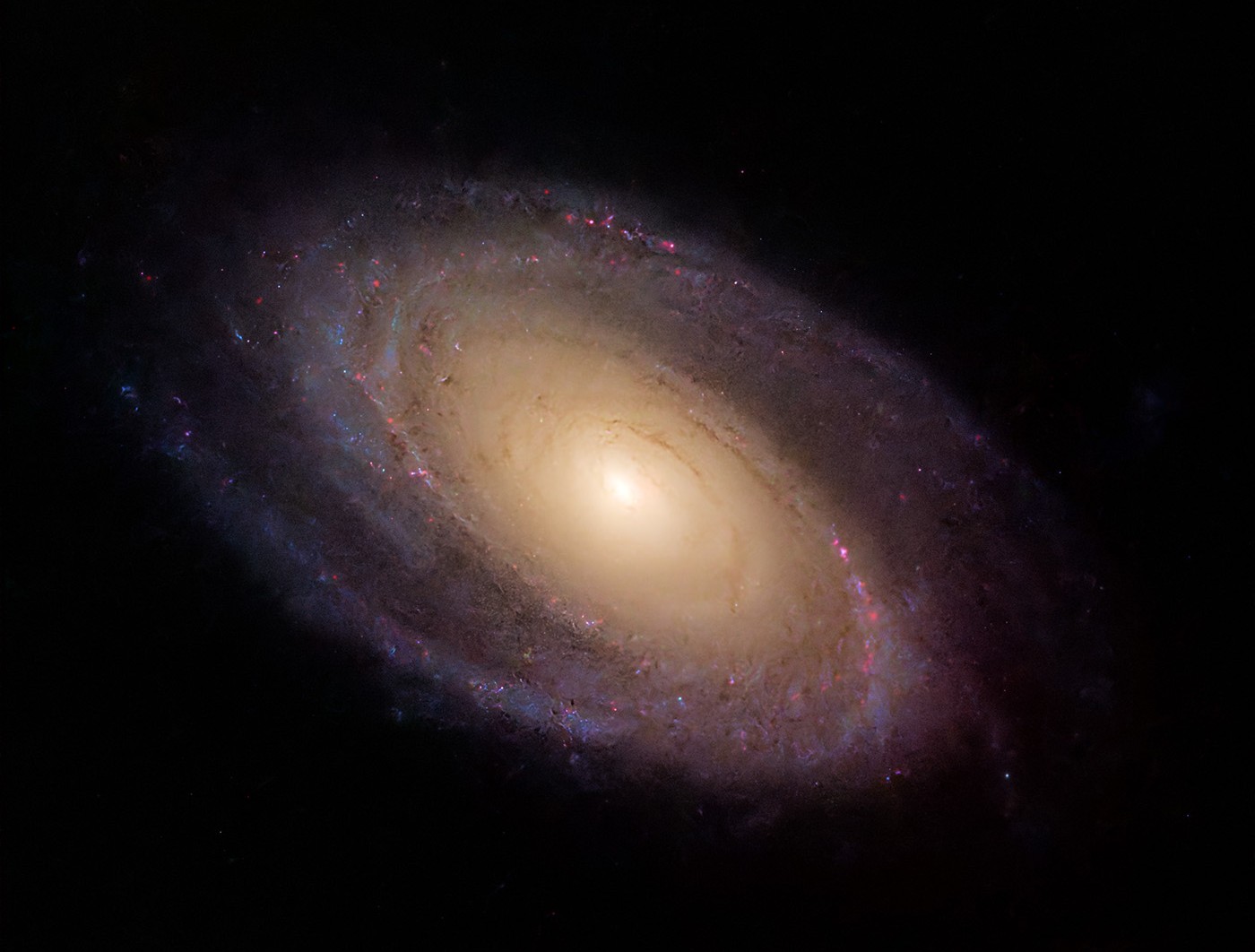
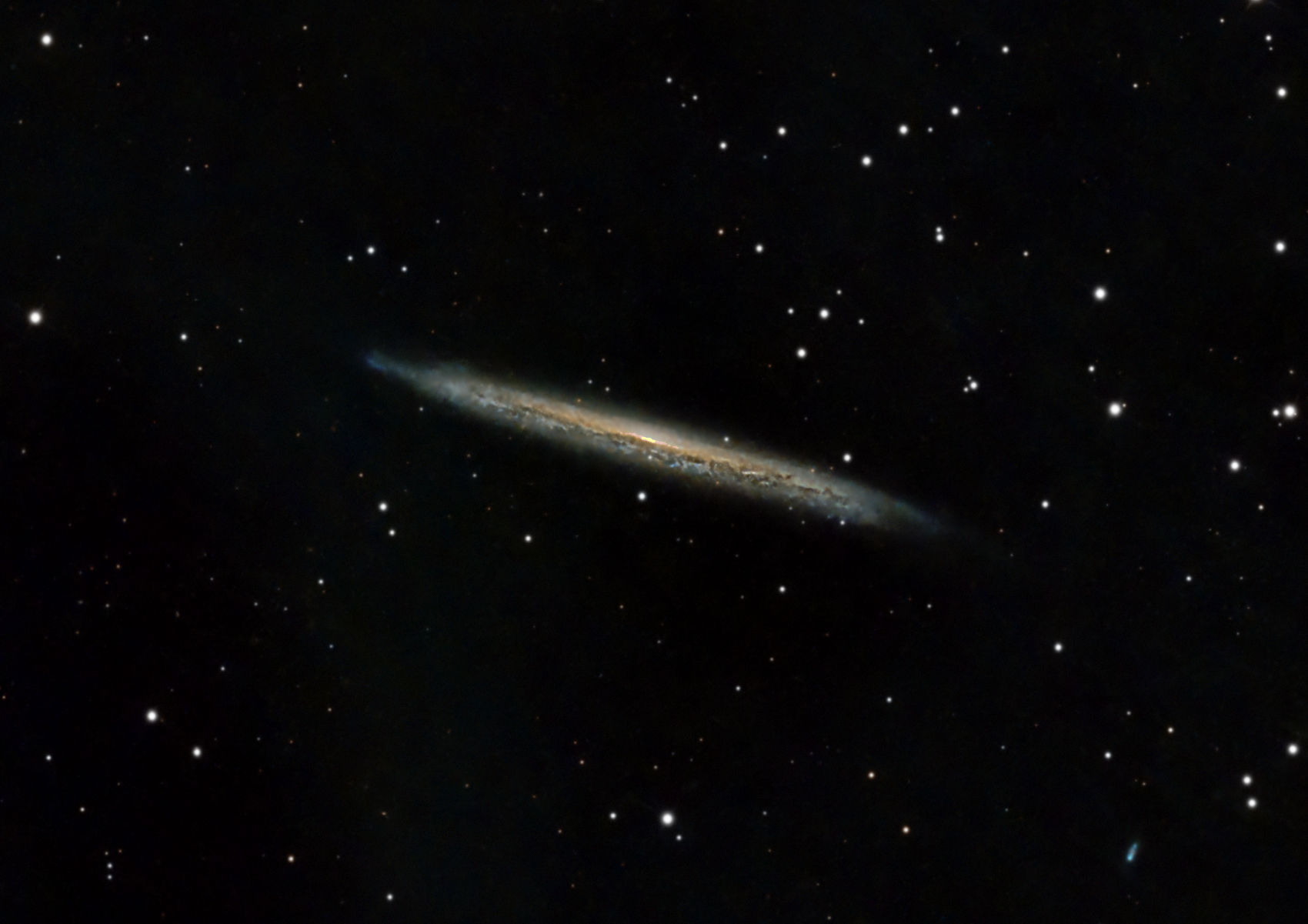
The Needle Galaxy (NGC4565)
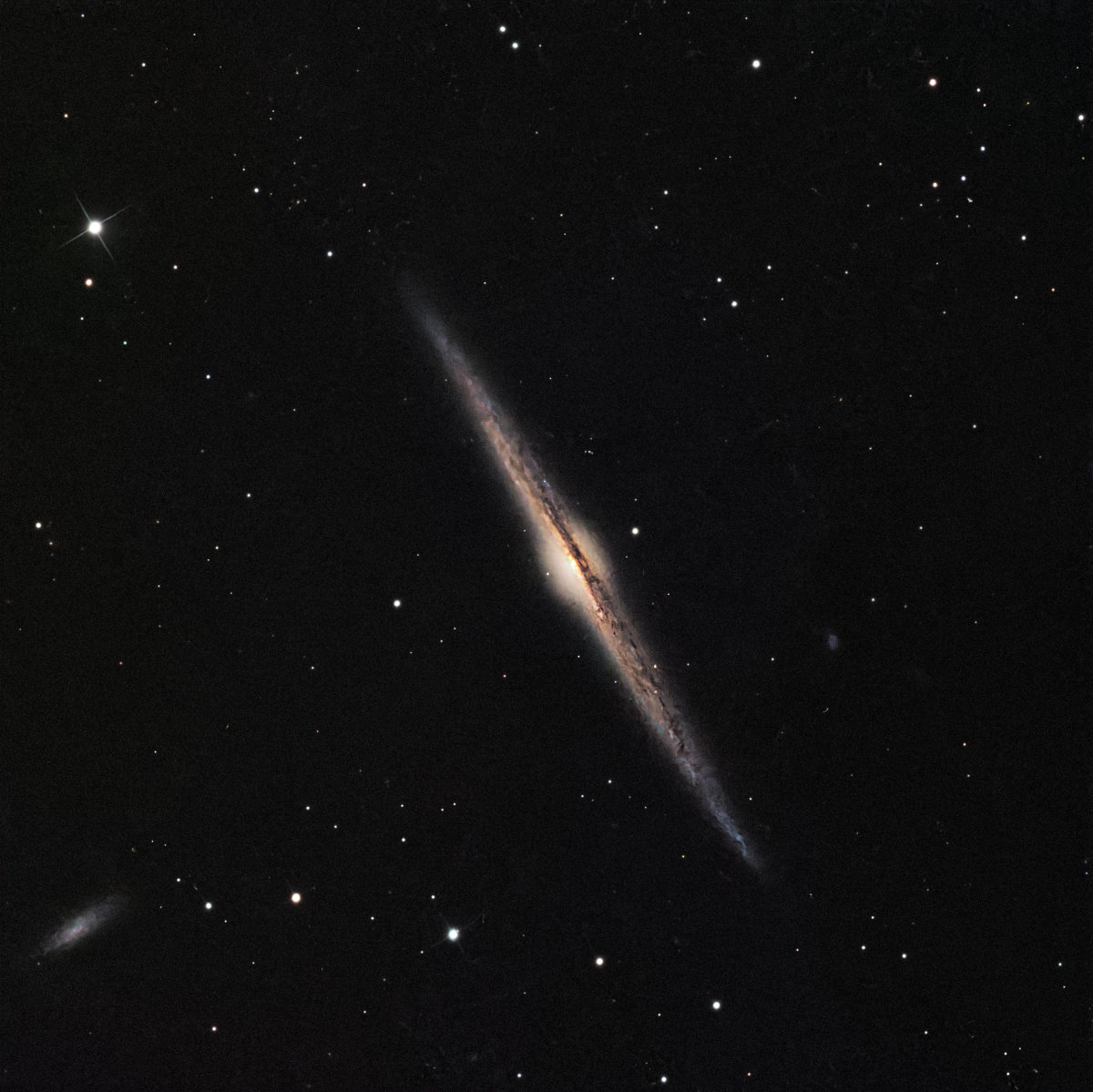
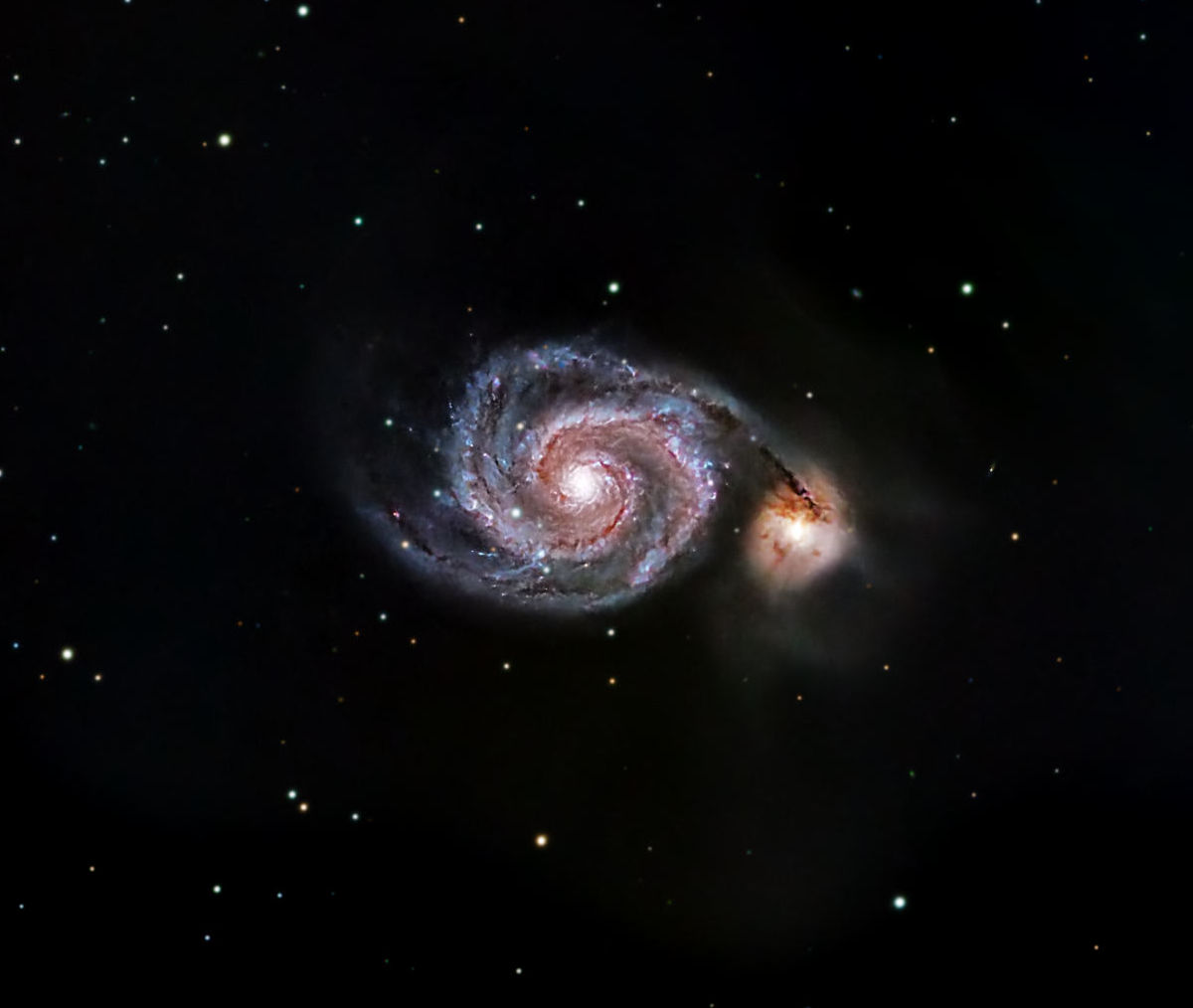
The Whirlpool Galaxy (M51)
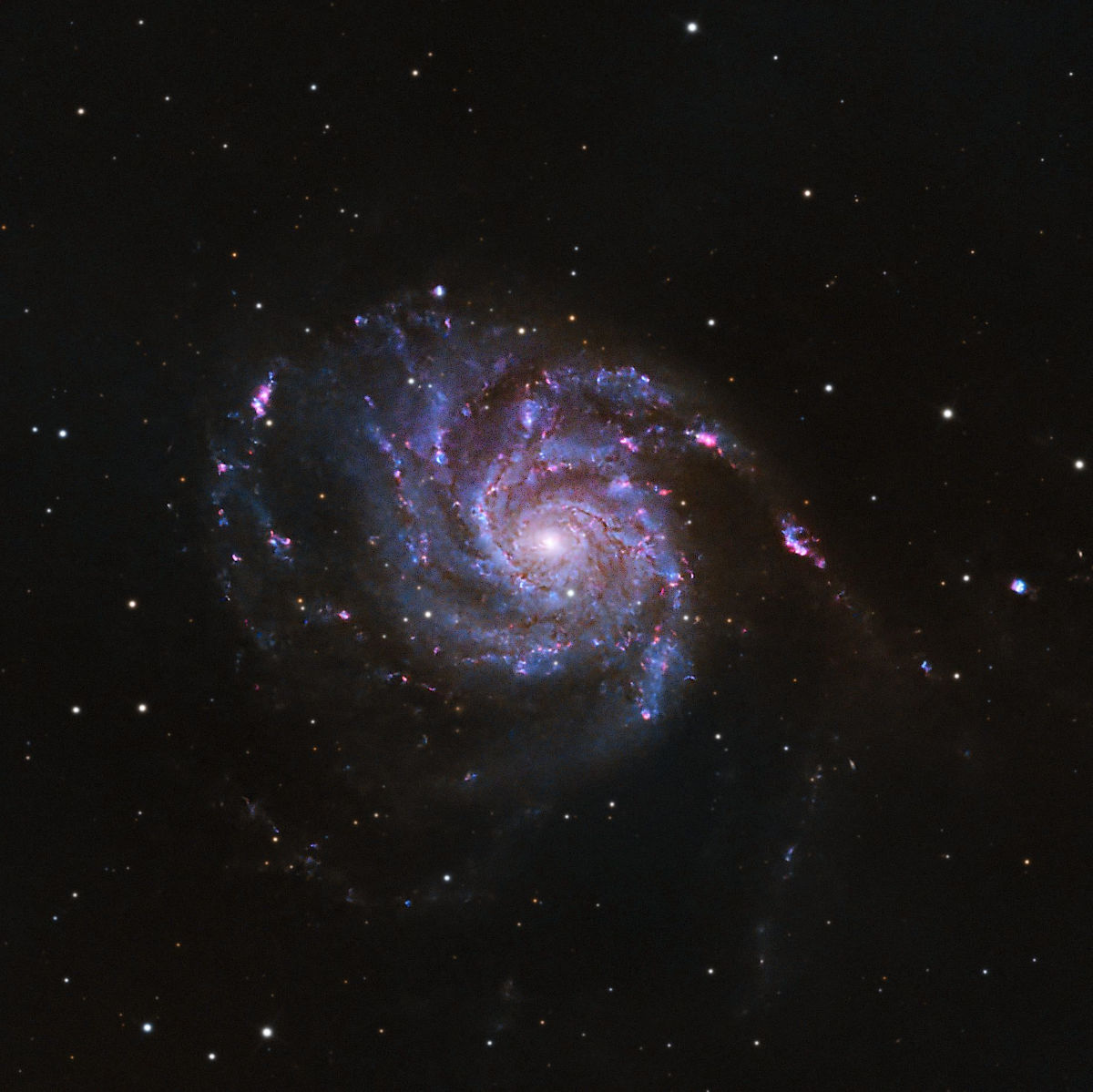
The Pinwheel Galaxy M101
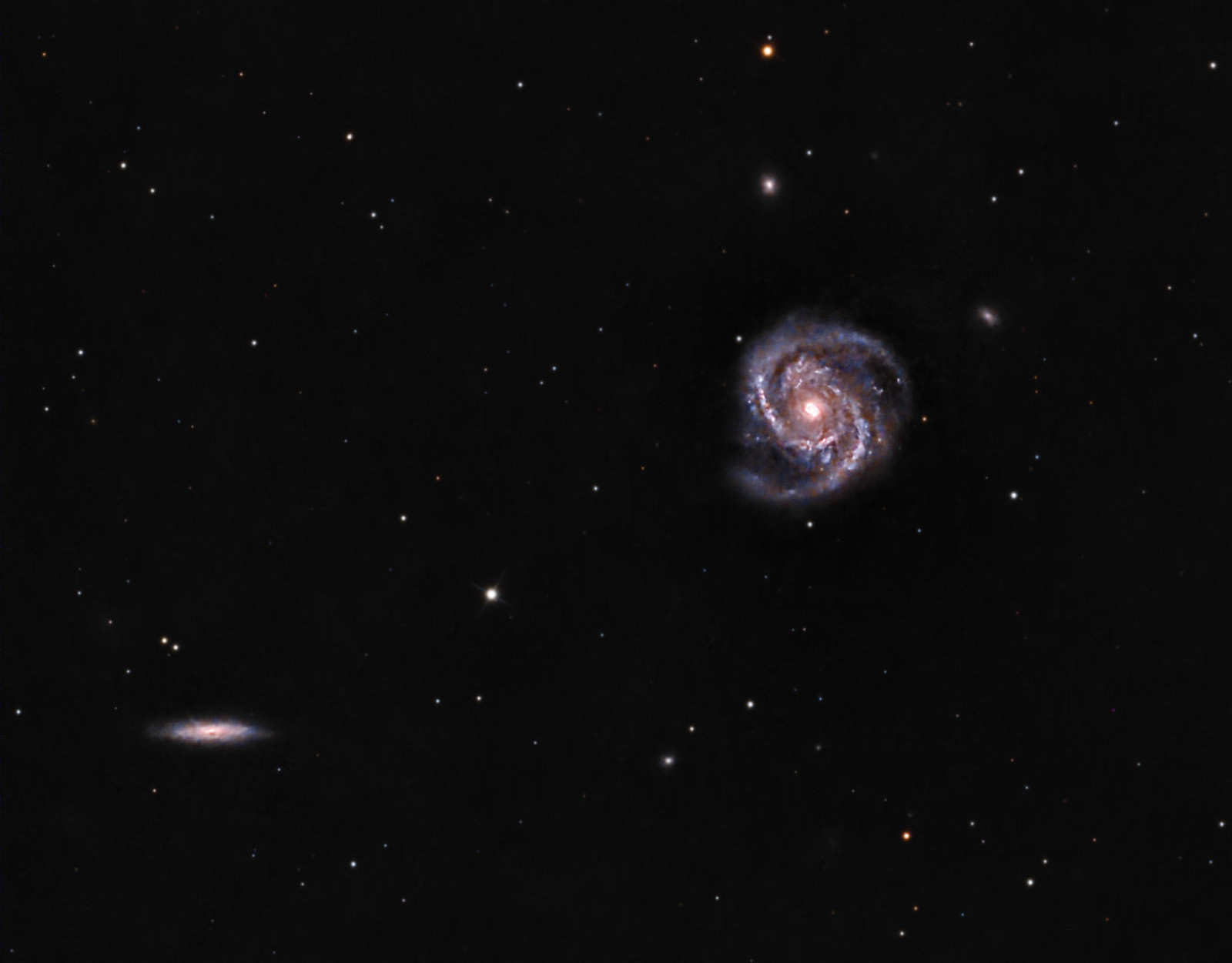
The Splinter Galaxy NGC5906
The Blowdryer Galaxy M100
Solar System
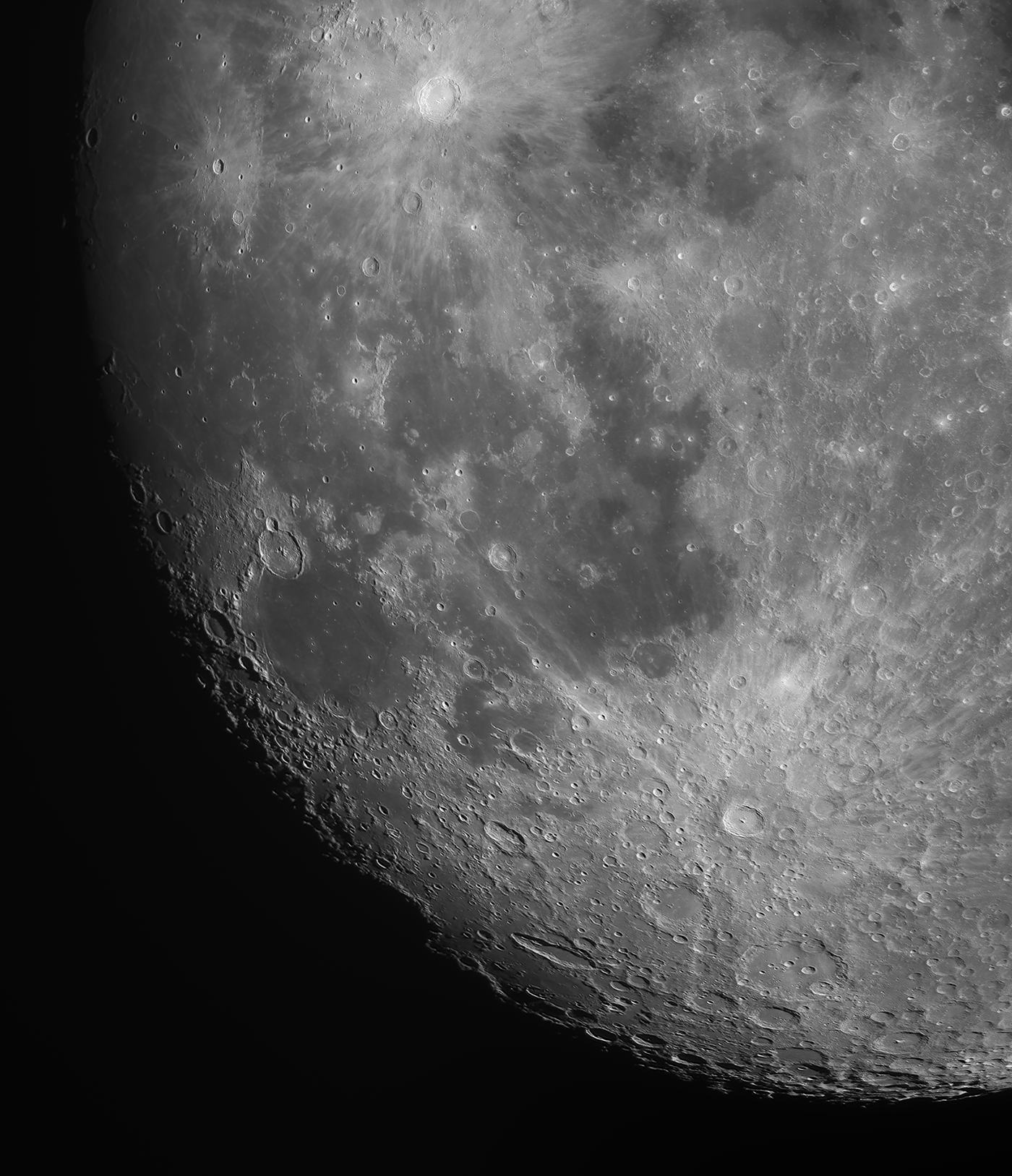
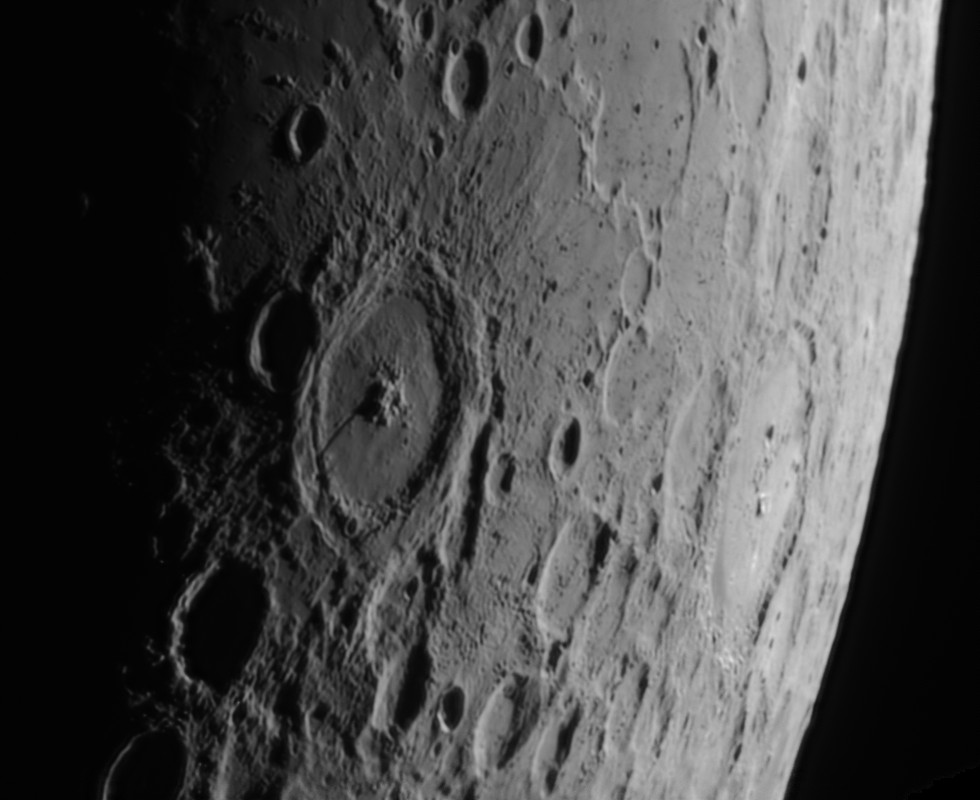
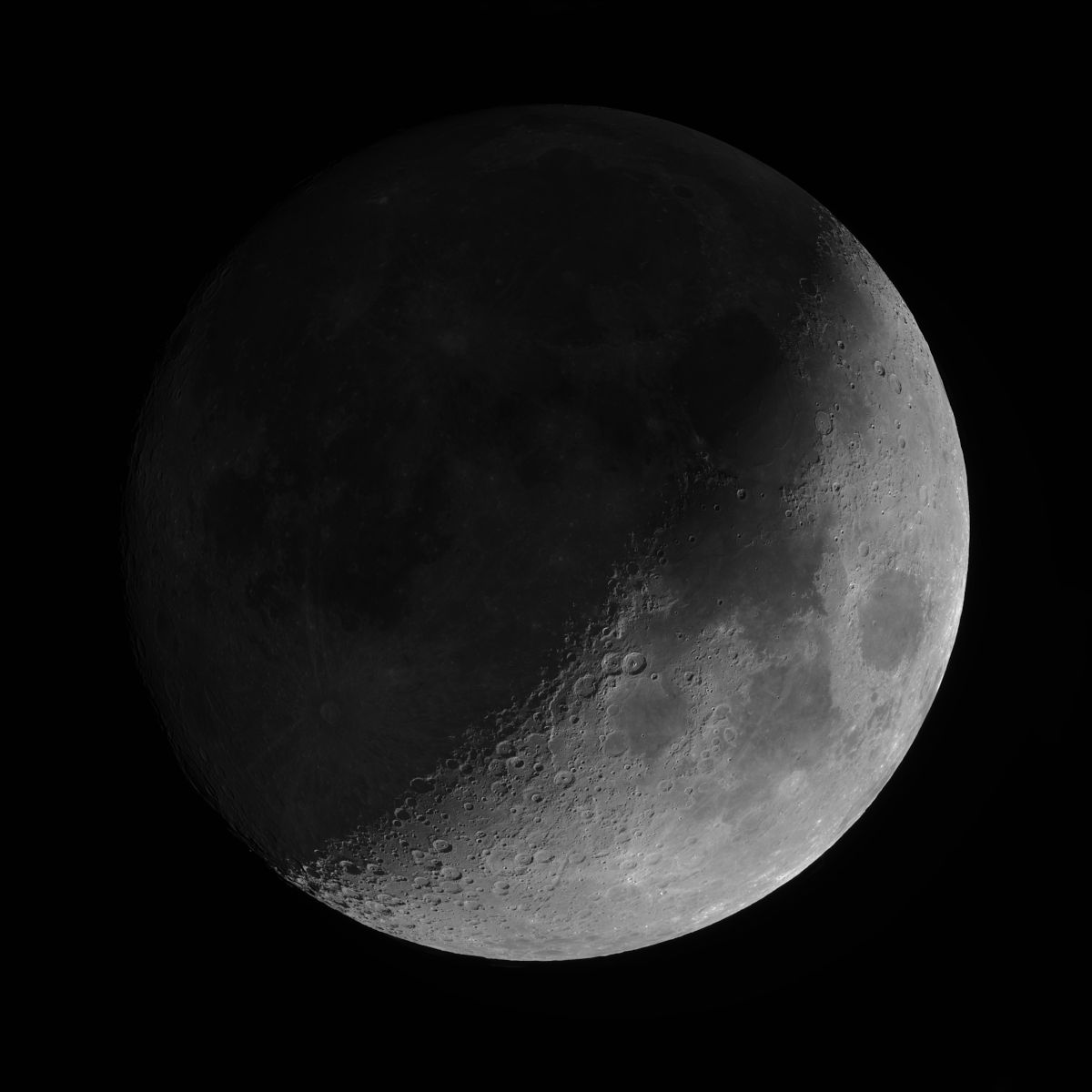
Day six Moon with Earthshine
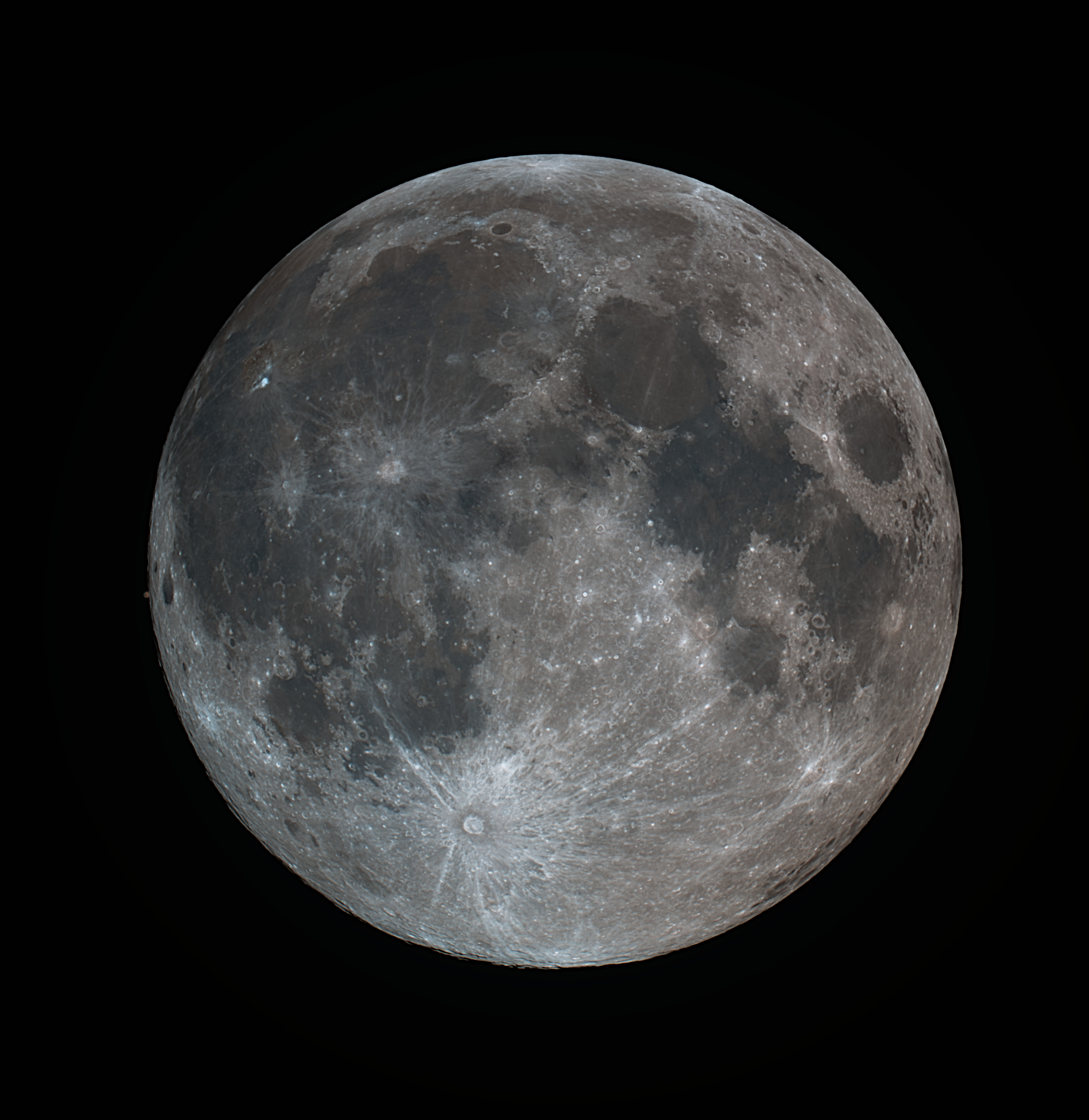
Moon and Mars
The occultation of Mars by the moon at 4am on 8th Dec 2022. Mars is just visible on the limb of the Moon on the left.More information here
Recent posts
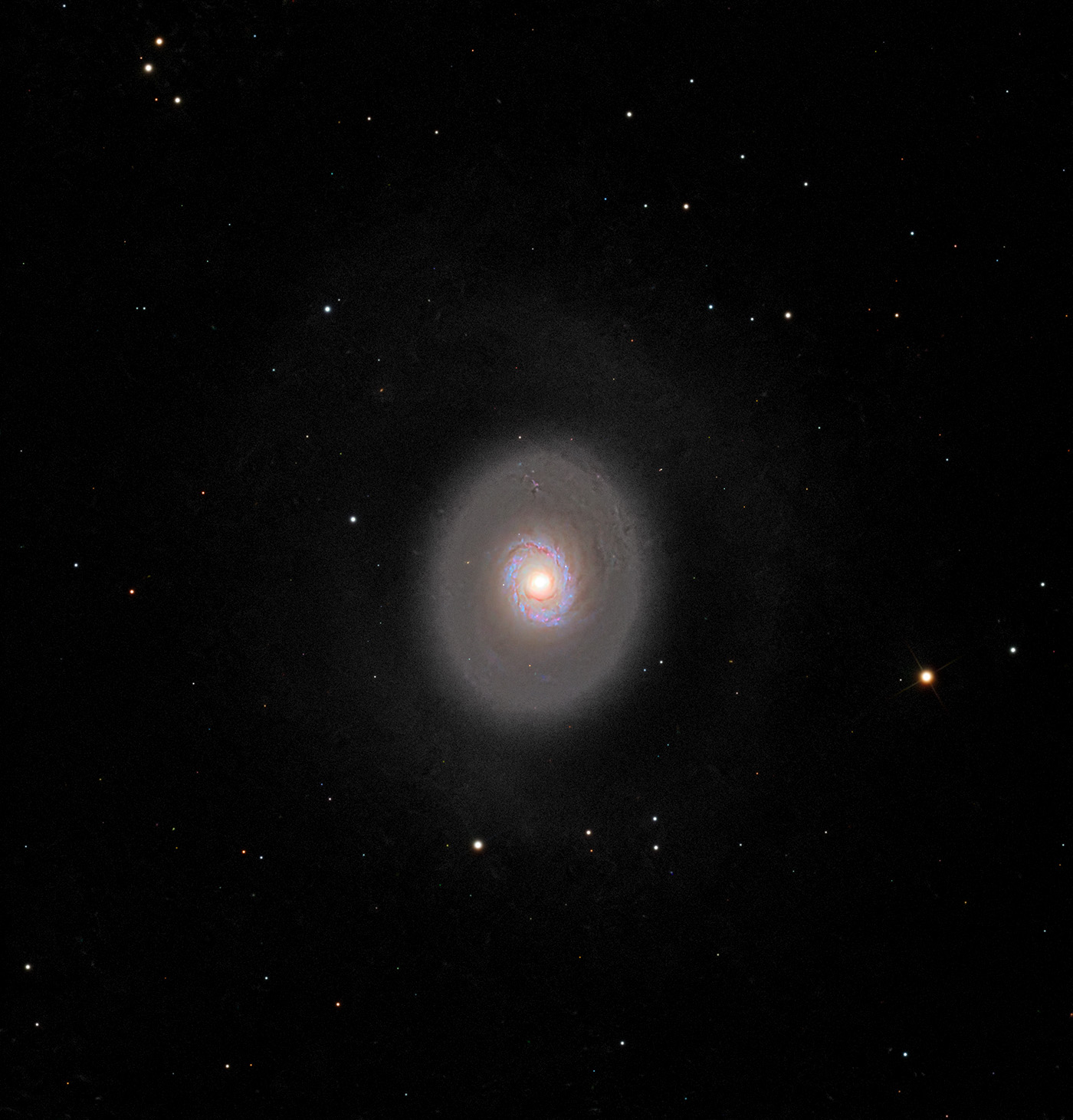
Croc's Eye Galaxy M94
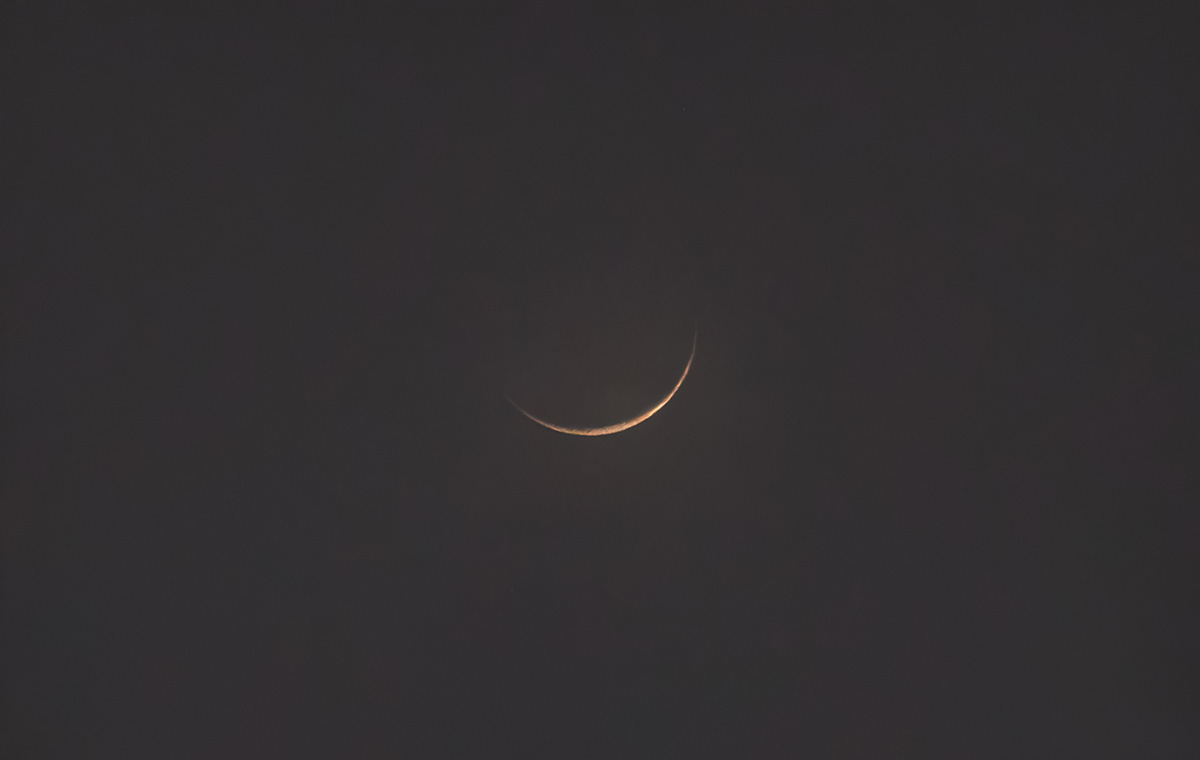
Crescent Moon

Needle Galaxy NGC4565

Bode's Galaxy M81
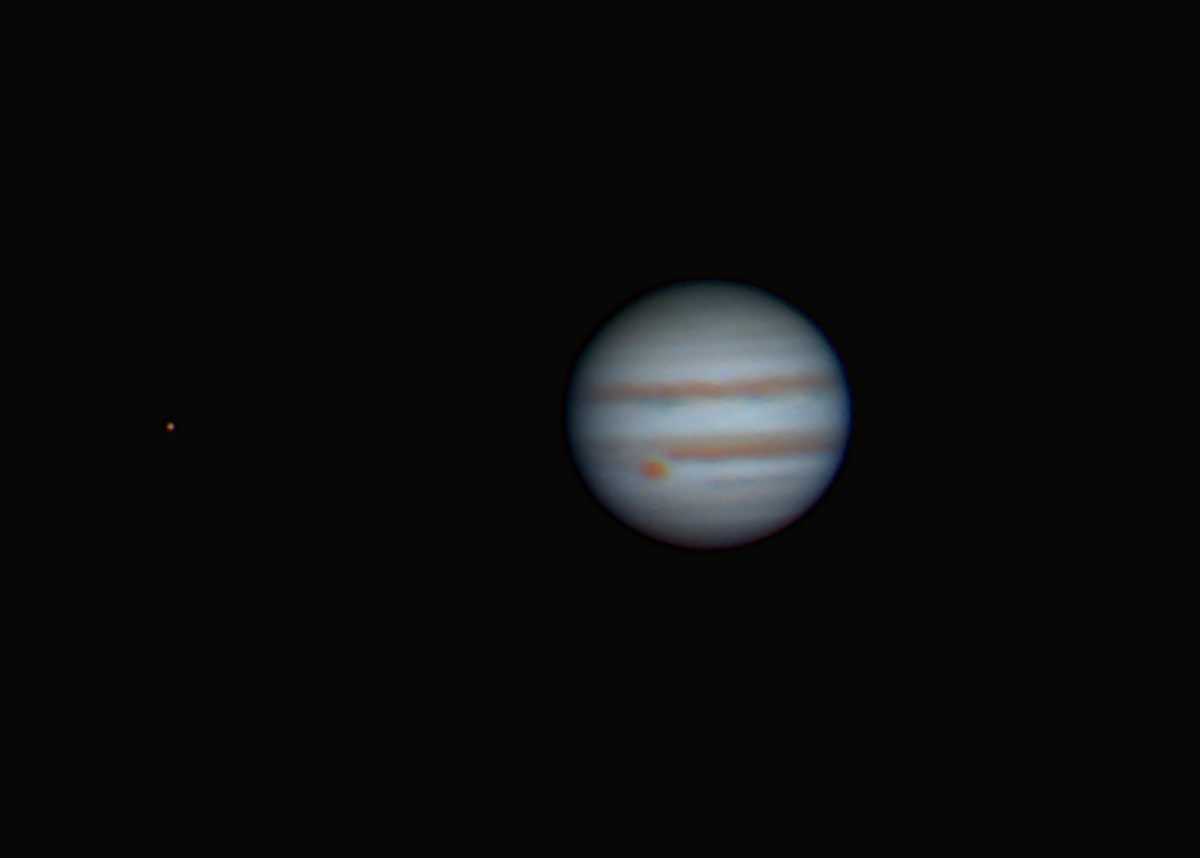
Jupiter after Opposition
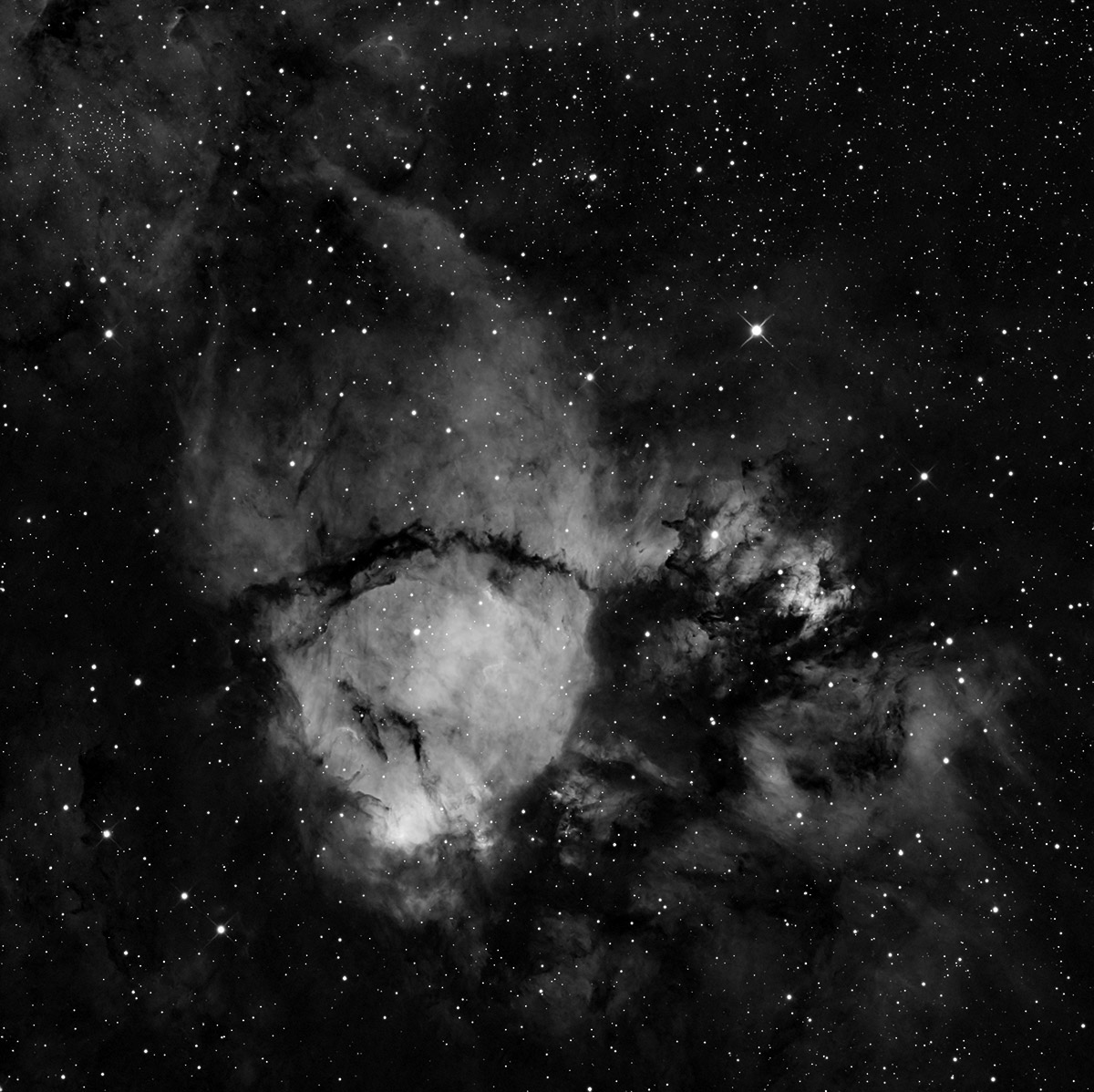
Fish Head Nebula IC1795

The Moon day 11 - south-western sector
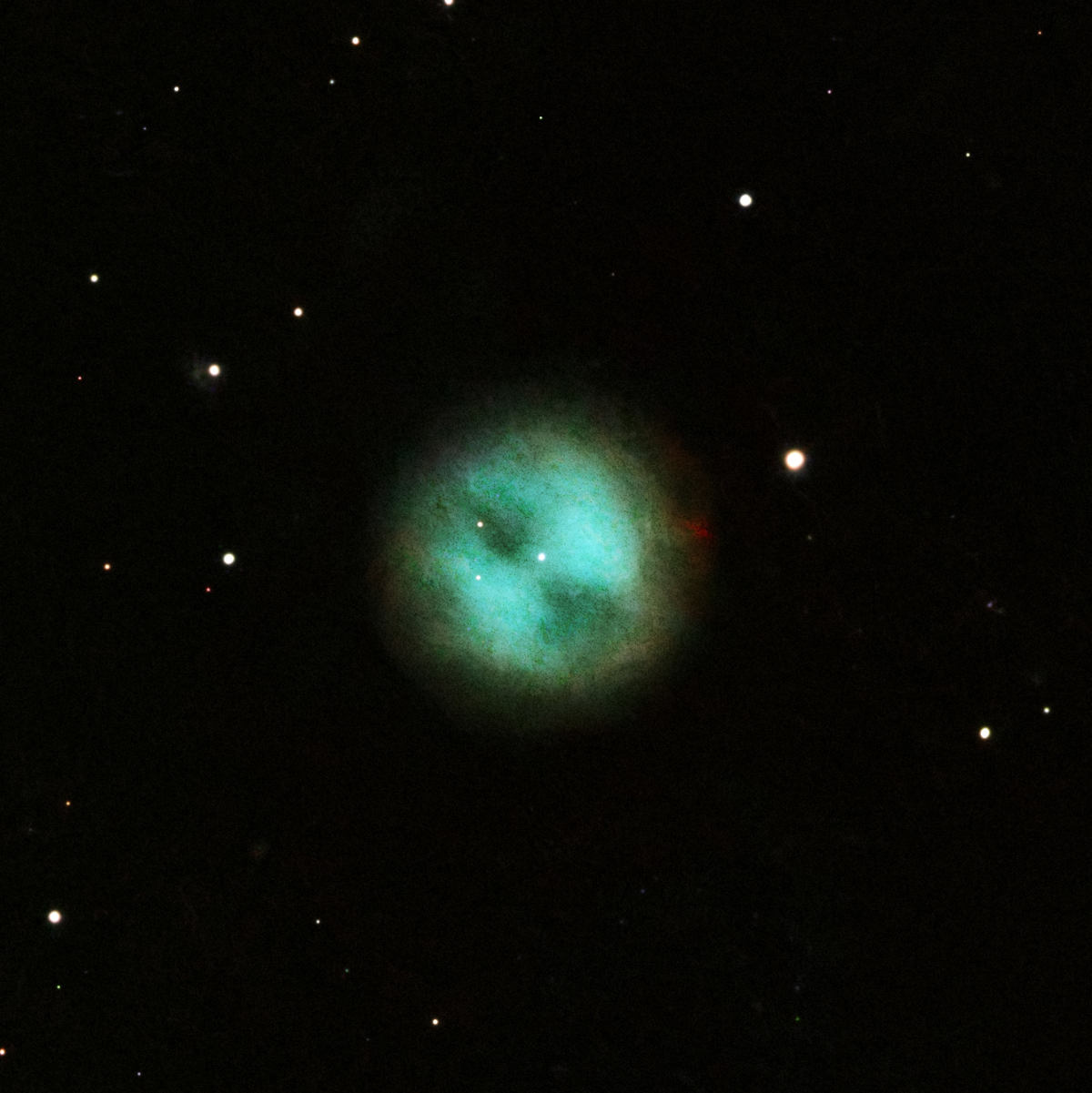
M97 - Owl Nebula
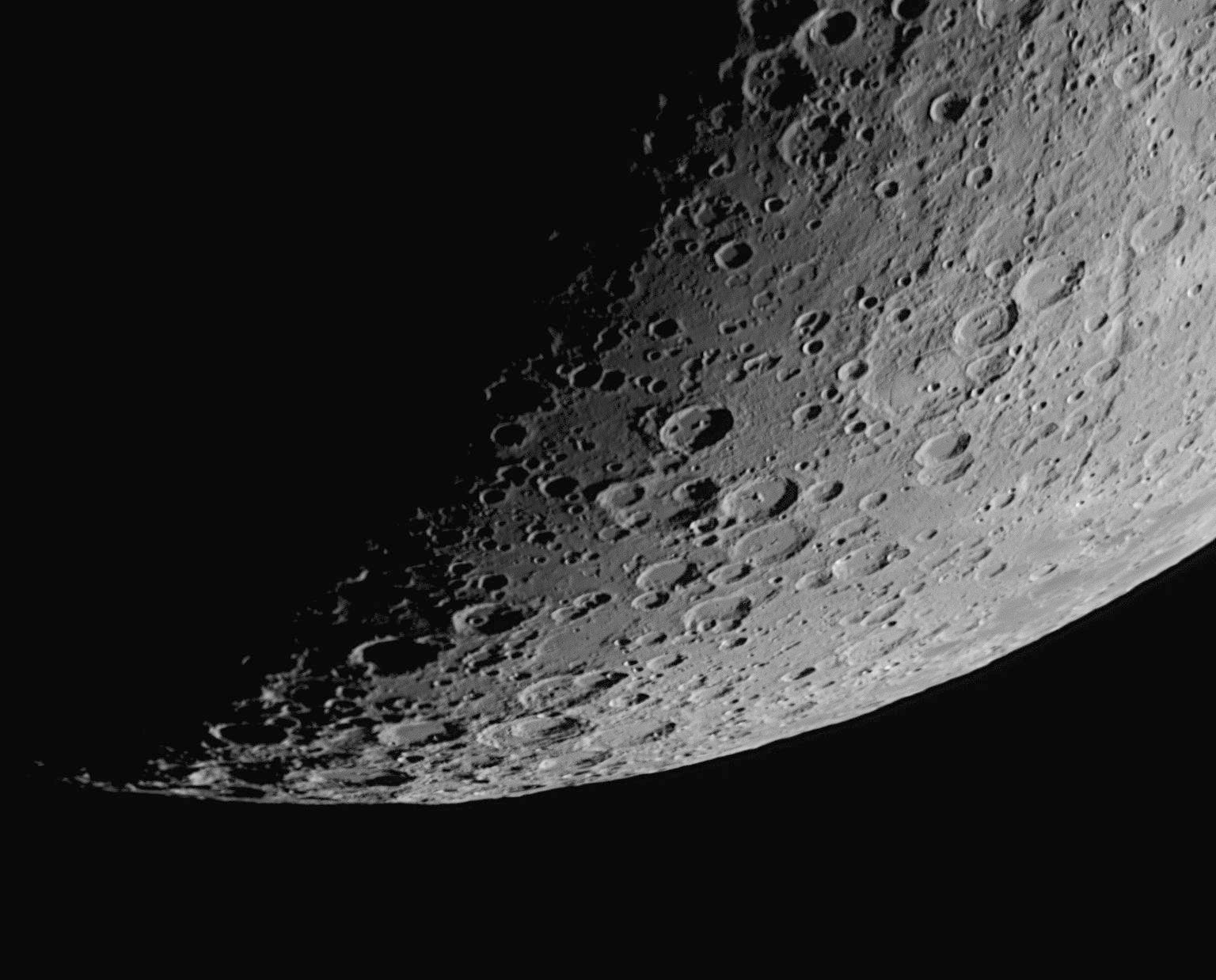
The Moon day 5 - south-eastern sector

Bubble Nebula NGC7635

Cone Nebula NGC2264
