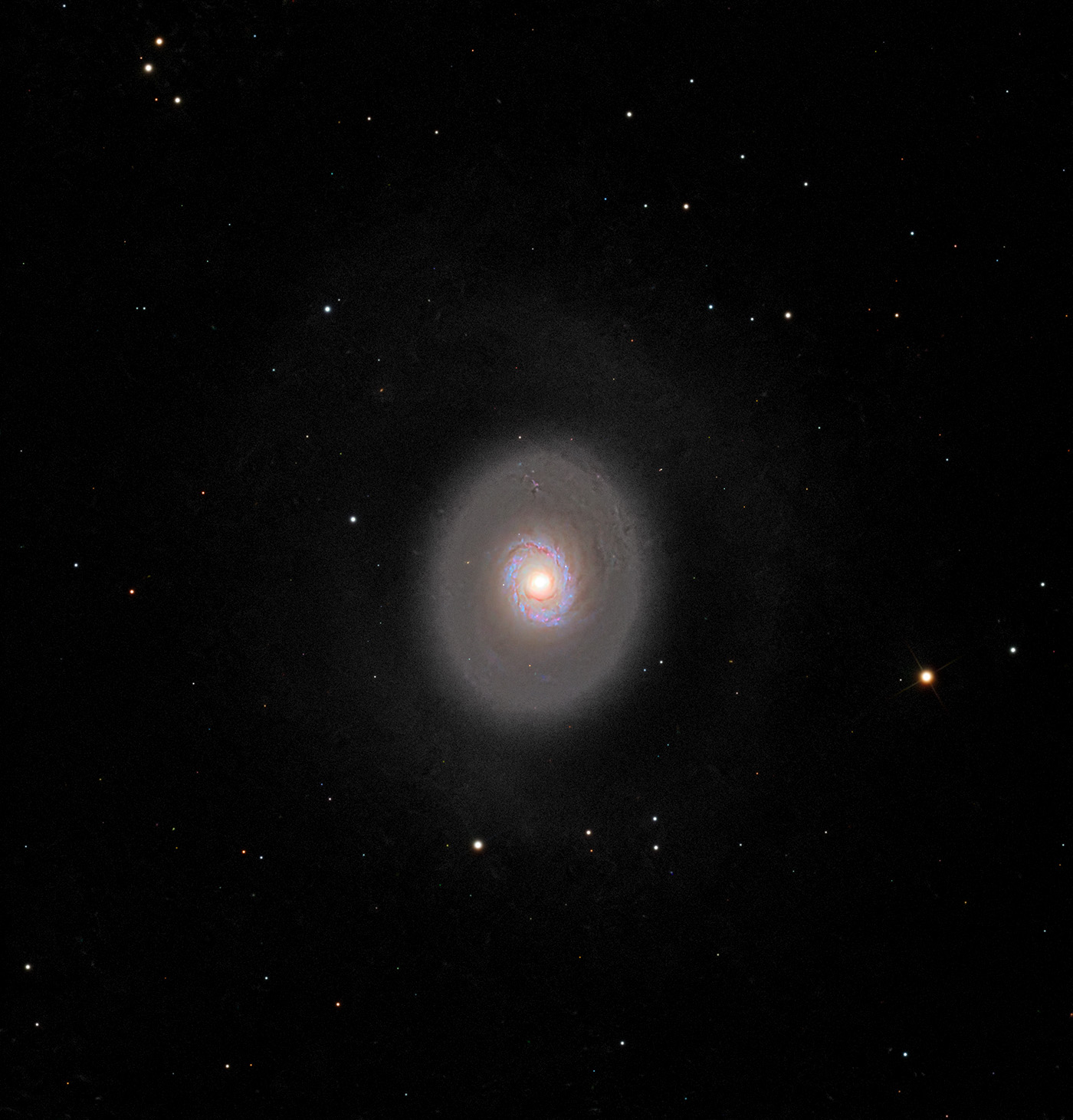
A fascinating edge-on spiral galaxy in Canes Venatici.
'Sometimes the night's sky weeps, with the stars as its tears' - John Trudell
A fascinating edge-on spiral galaxy in Canes Venatici.
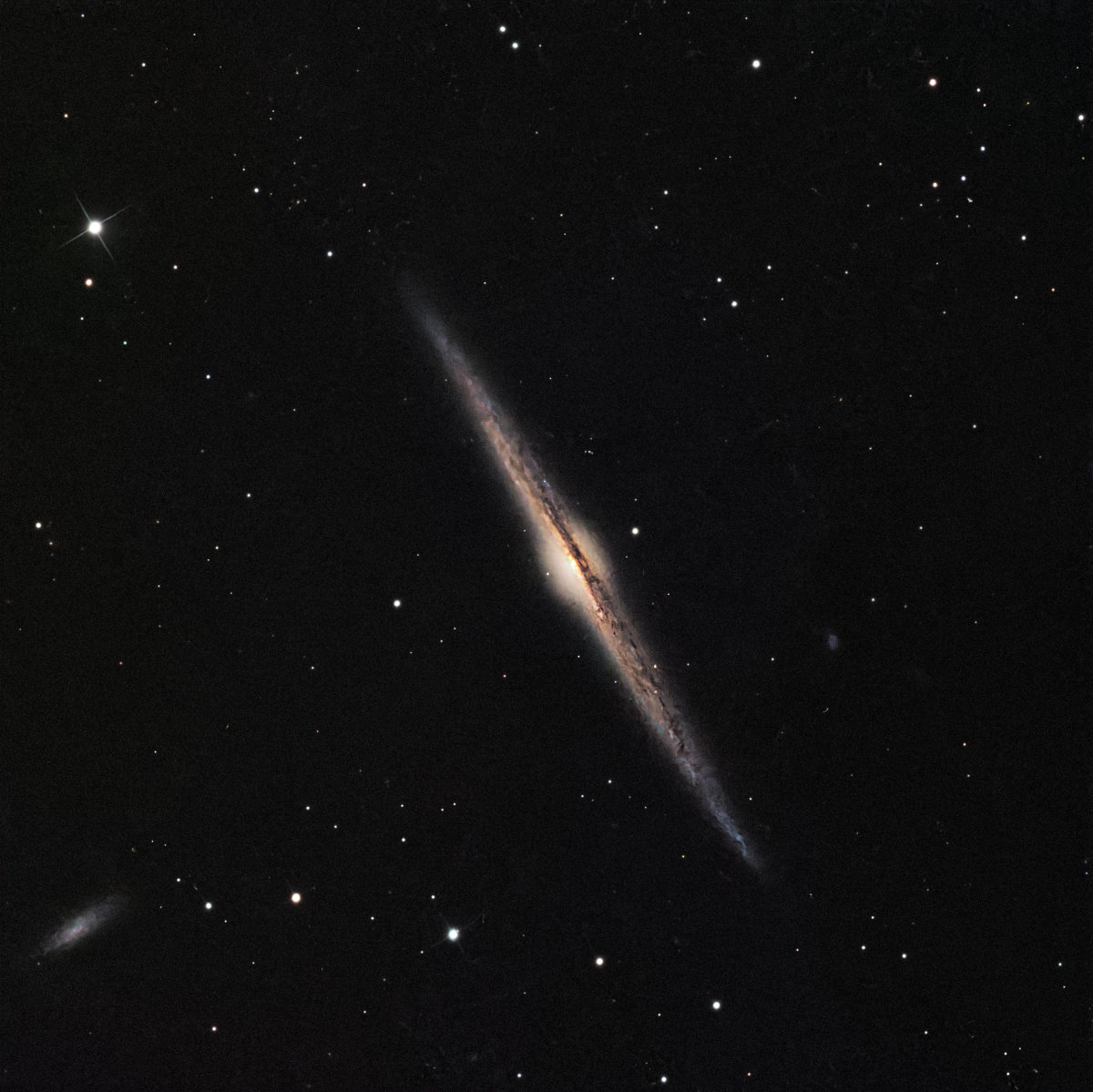
A beautiful edge-on galaxy in Coma Berenices.
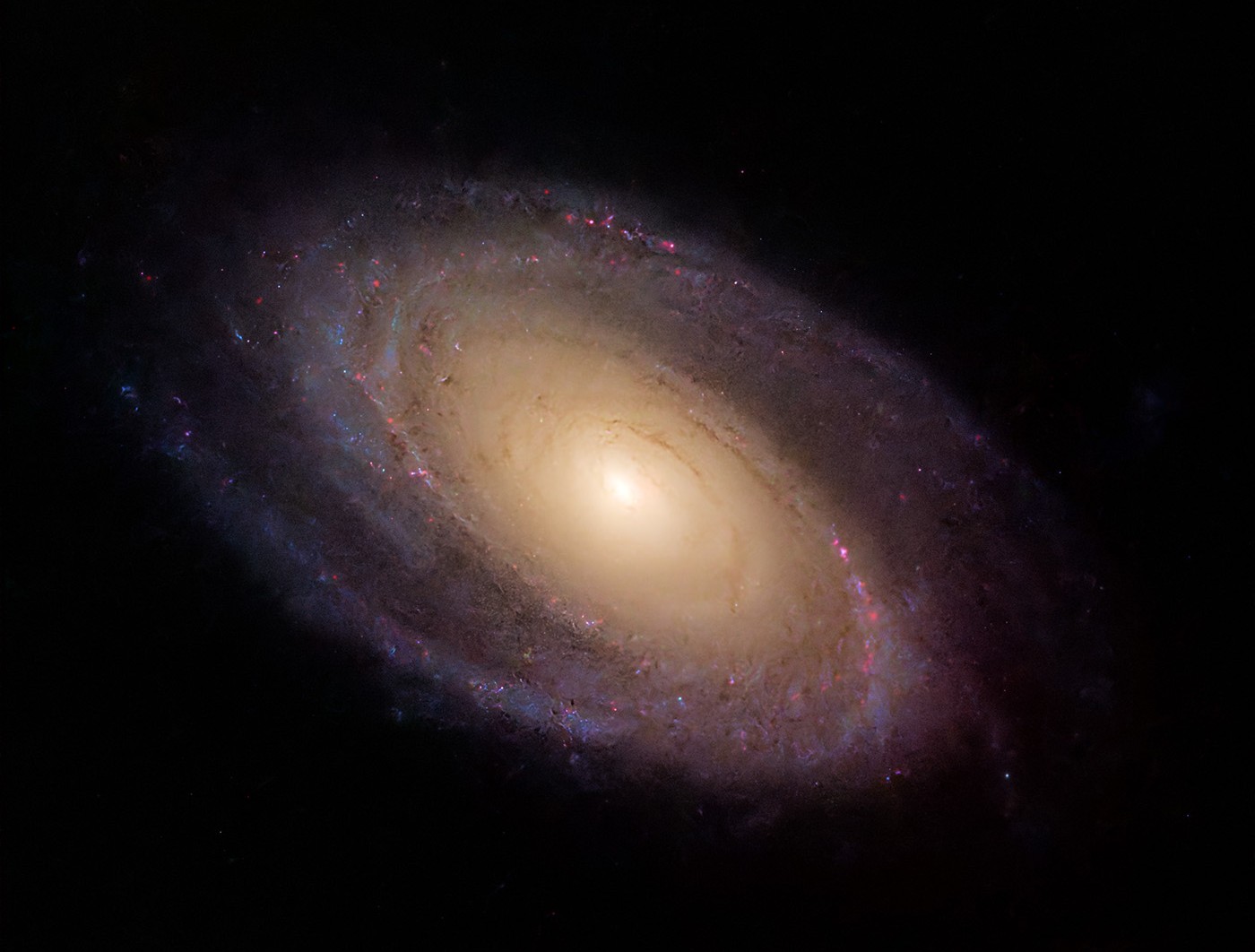
A grand design spiral galaxy in Ursa Major.
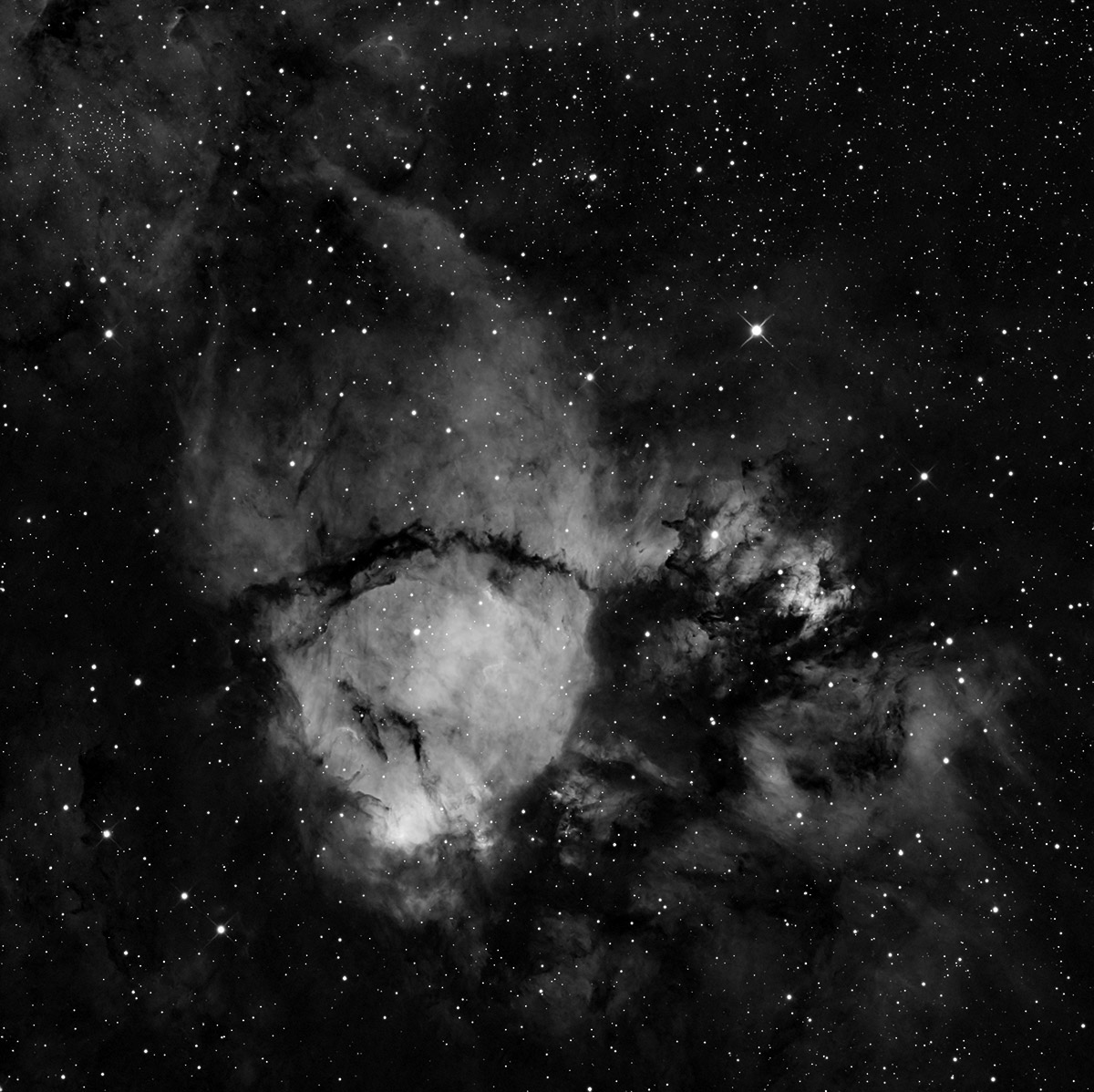
Data from November 2024 waiting to be completed with SII and OIII. Too late for this season but even as a mono image this stands up well.
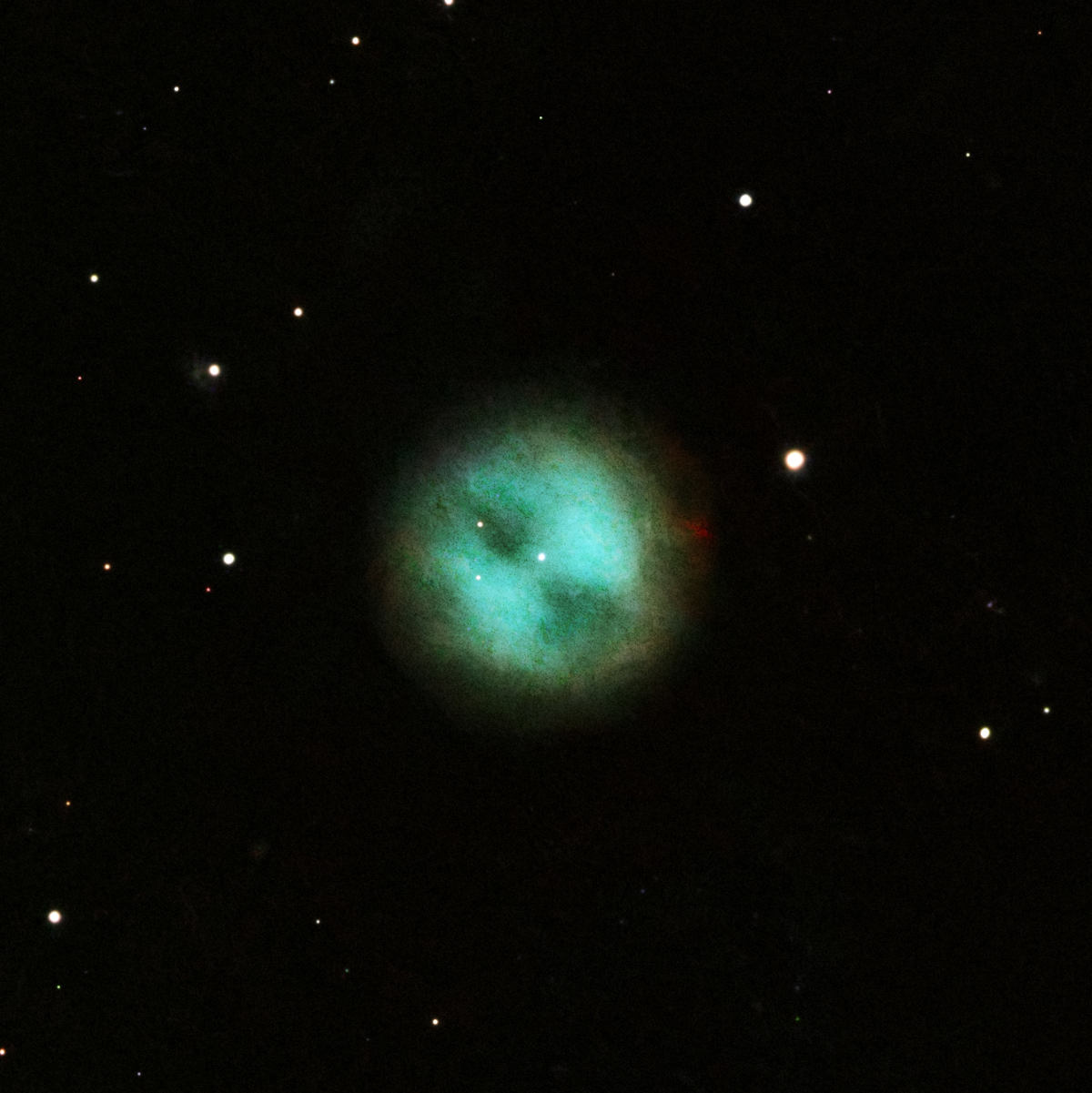
A beautiful planetary nebula high in the sky in late February.
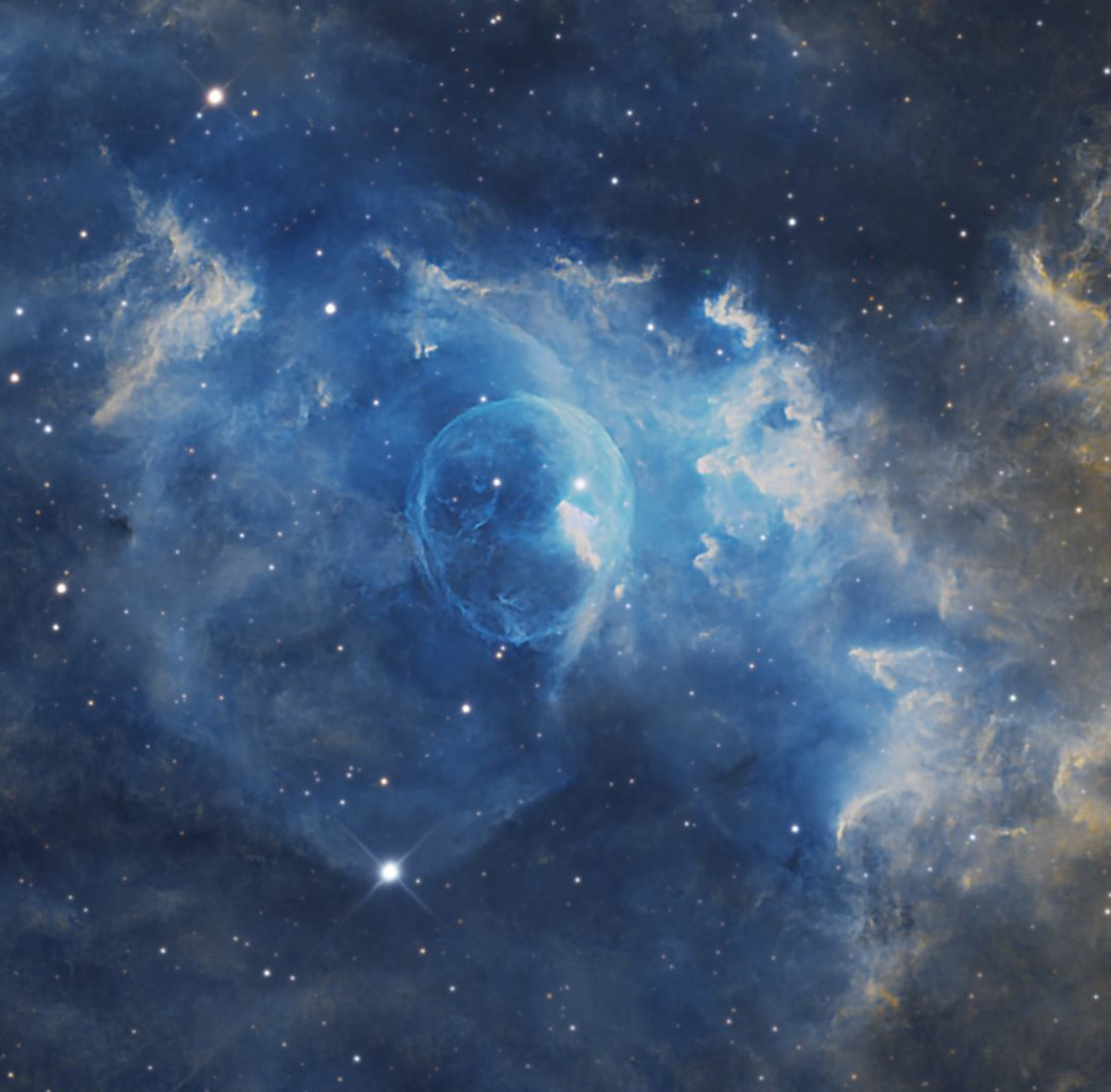
This image was one of two made on the same night in January. The full Moon hindered and it was necessary to split the evening into two, first capturing this one and then moving on to the Cone Nebula once the target had dropped too low and disappeared behind neighbouring houses.
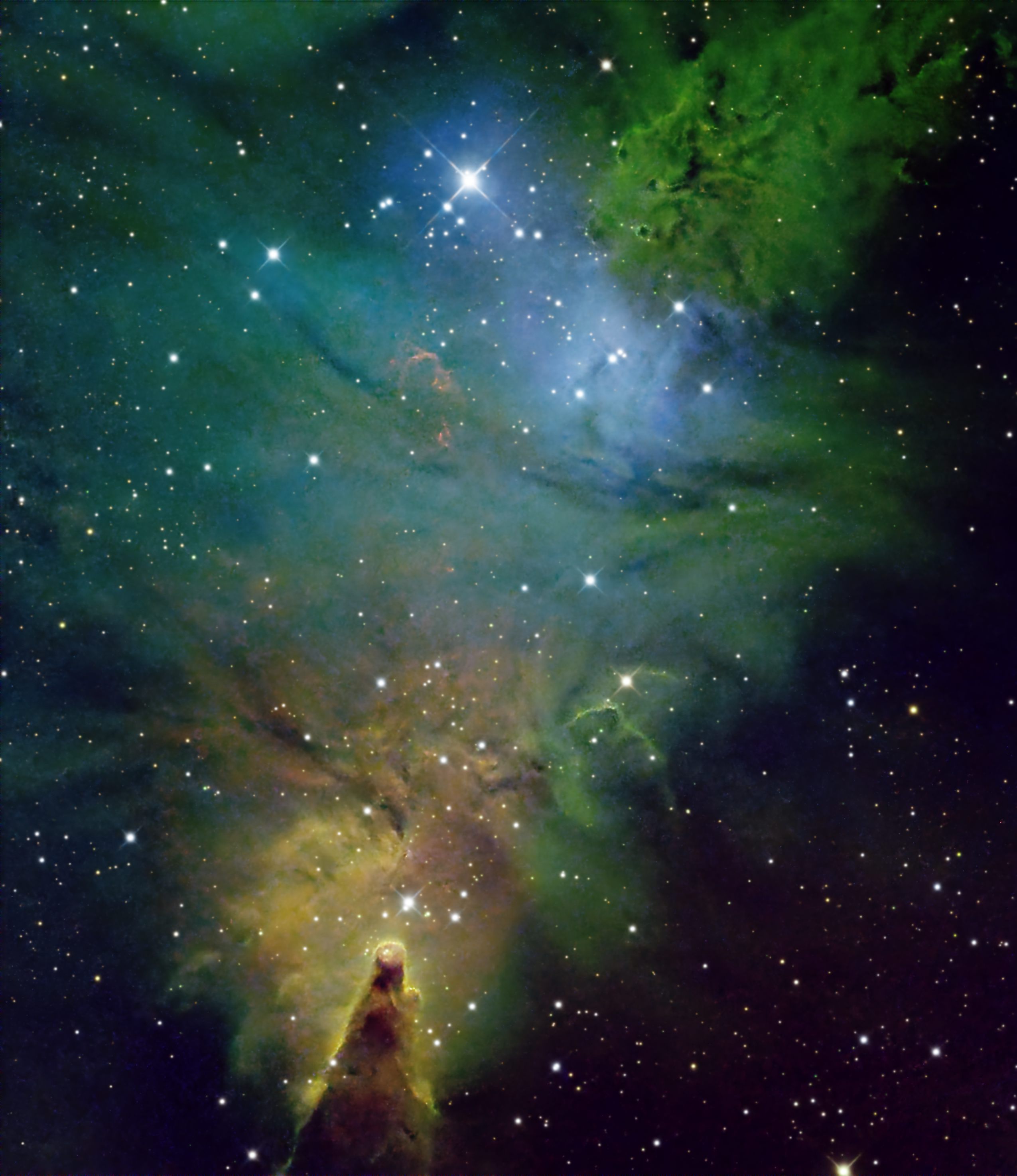
This image was made on the same night as the Bubble Nebula above. The narrowband normalisation script in PixInsight has produced some dramatic and, in my view, rather interesting colours. The image is somewhat noisy owing to the short integration time and will definitely repay some additional sky time if the weather allows before it starts to drop too low as the season progresses.
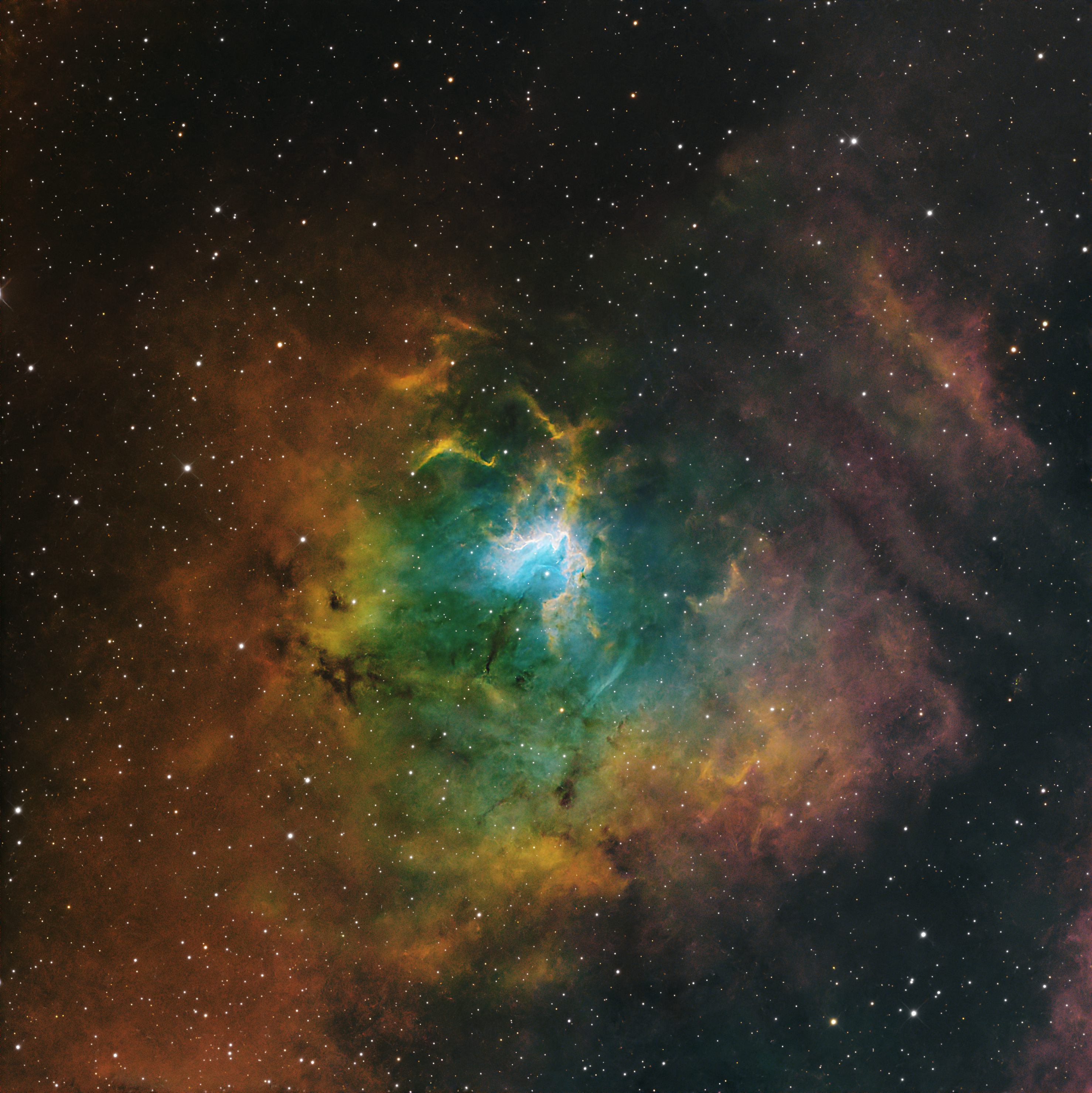
A bright emission nebula located at a distance of 9,800 light years. The evening of 3rd Jan 2026 was dominated by a full Moon for the whole night as it tracked high across the sky. This made any broadband imaging impossible especially as the Moon’s path ran across the majority of this season’s most interesting deep sky objects. That aside, the sky was nicely stable with good transparency allowing excellent guiding with only one dropped frame in nearly thirteen hours.
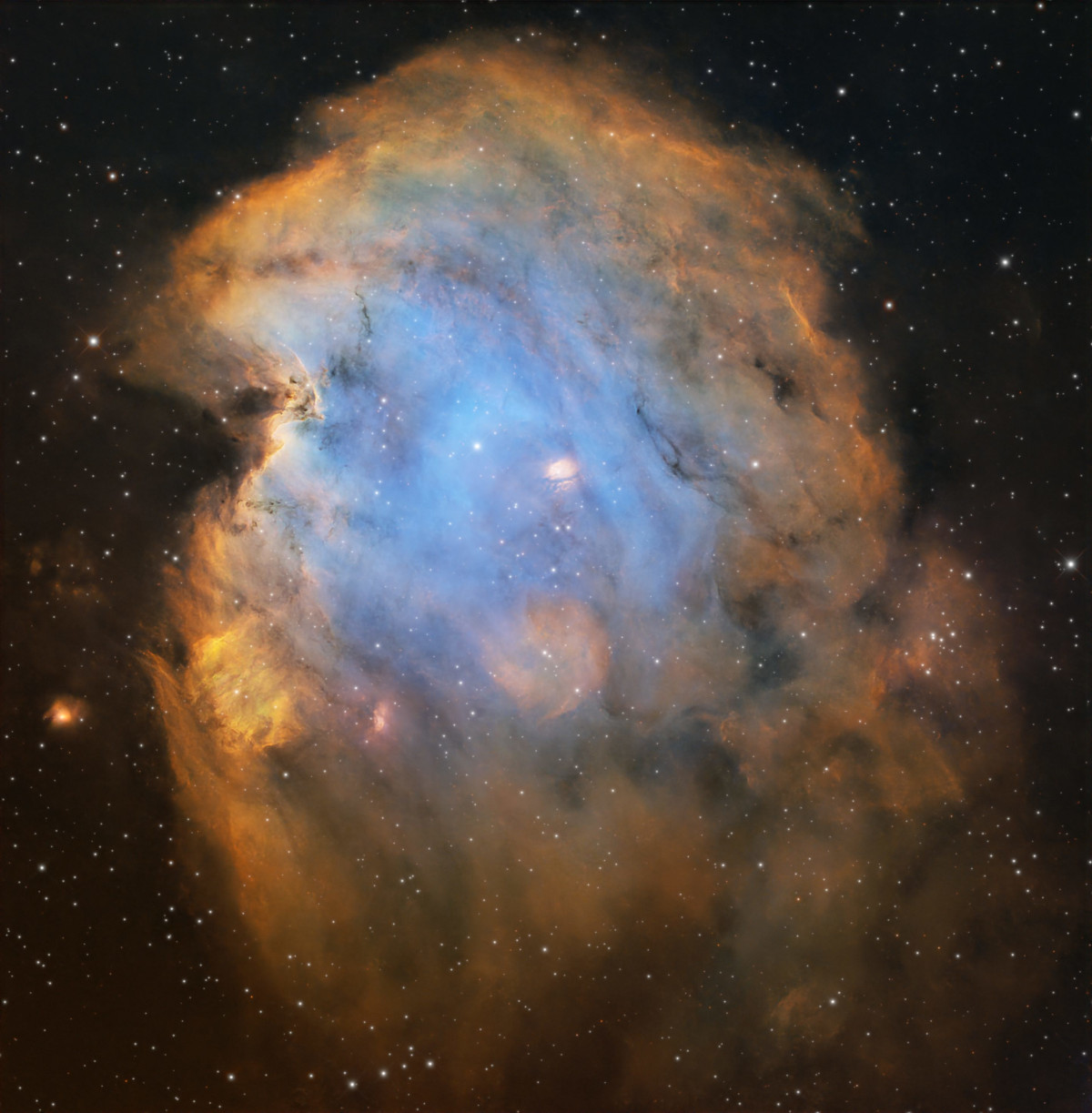
A bright emission nebula located at a distance of 6,400 light years. Young stars at the centre of the nebula generate stellar winds and create beautiful complex patterns and shapes.
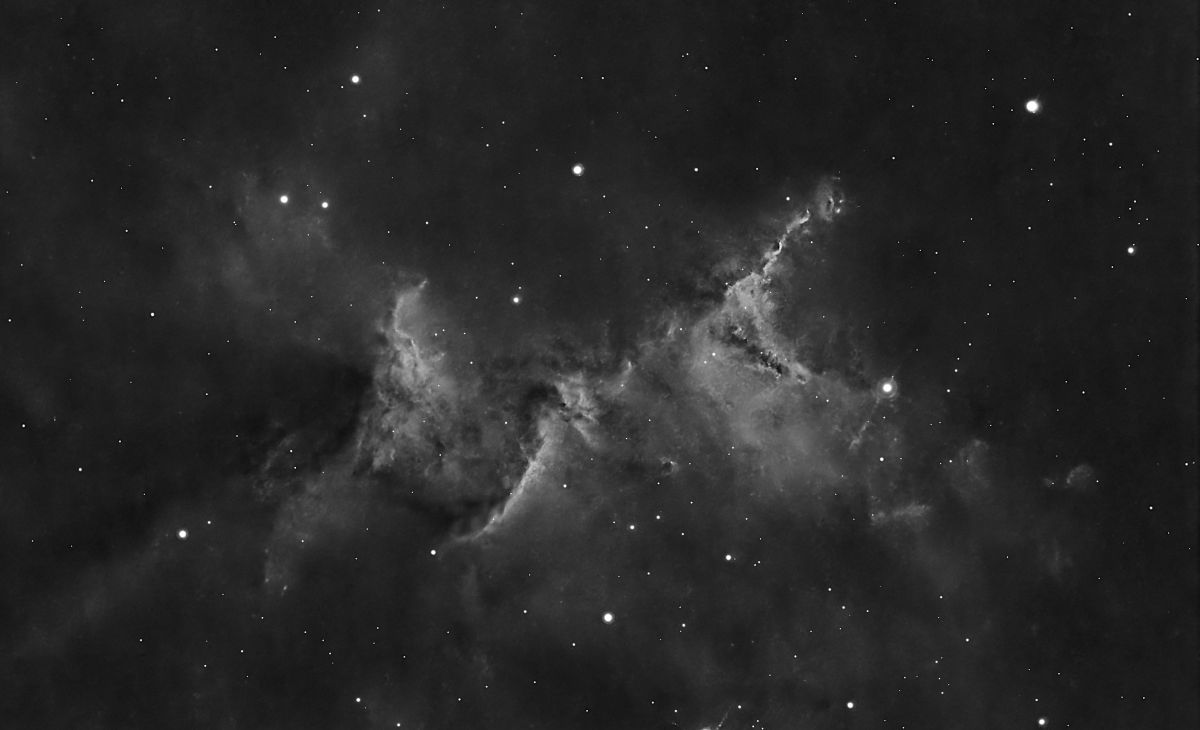
Melotte 15 - the heart of the Heart Nebula in Cassiopeia. 2h27m of Hydrogen Alpha at F12 (equivalent of about 40mins in the F4.5 Newtonian). It needs a lot more time and better skies to have the resolution I think it can achieve but I think it’s worth pursuing. The Classical Cassegrain 1836mm F12 + Player One Uranus M uncooled mono camera with 2.9 micron pixels gives an image resolution of 0.33 arc secs per pixel.
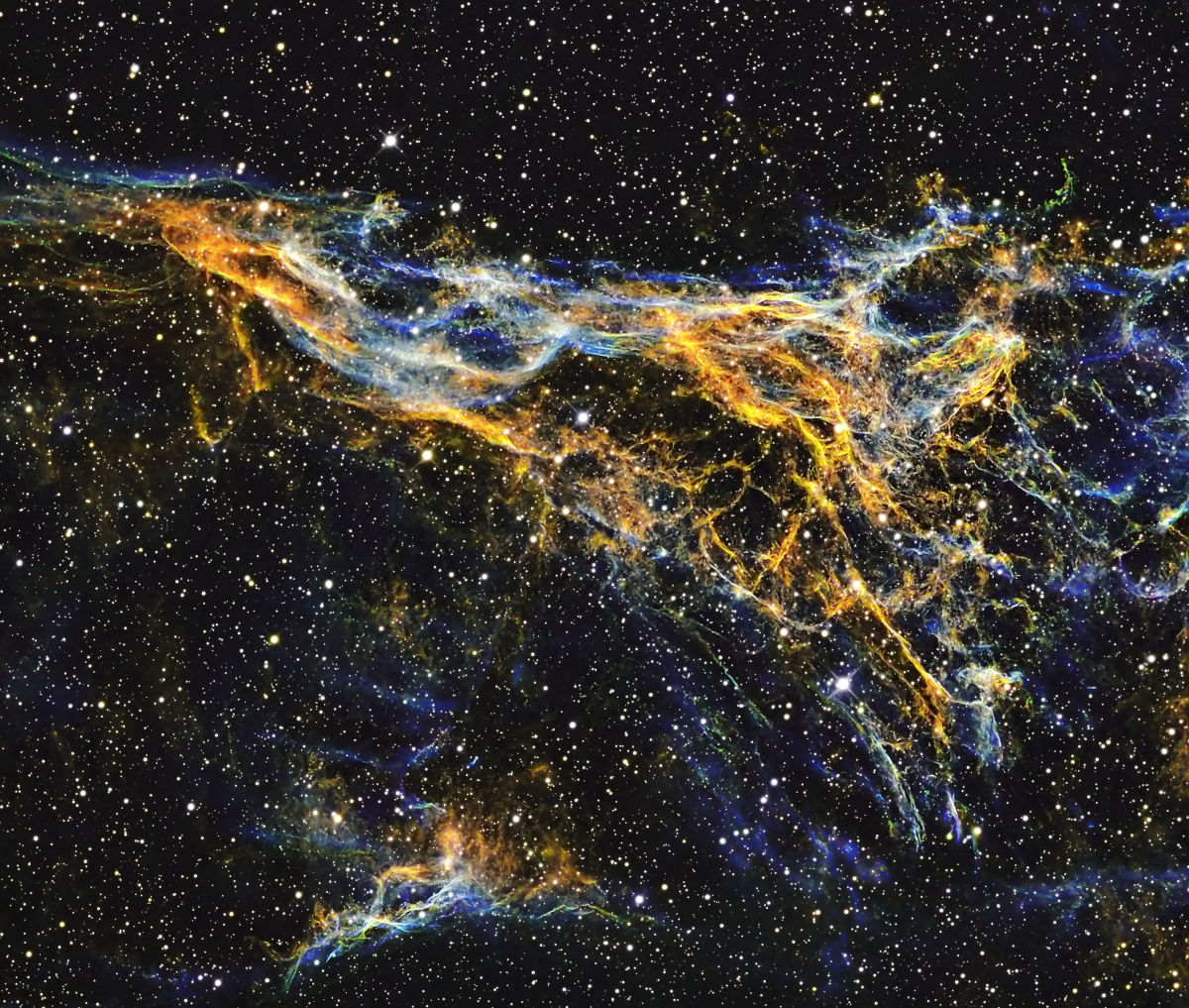
Part of the supernova remnant known as the Cygnus Loop. Imaged last year but just processed in the Hubble palette.